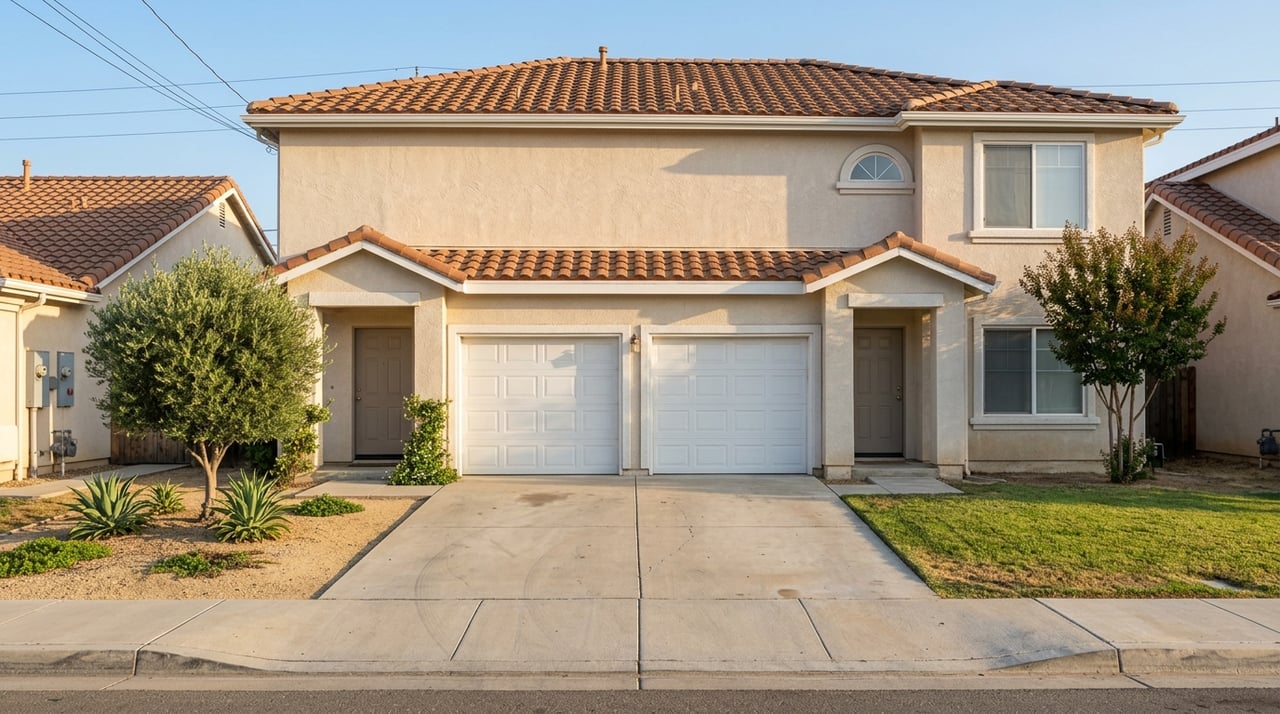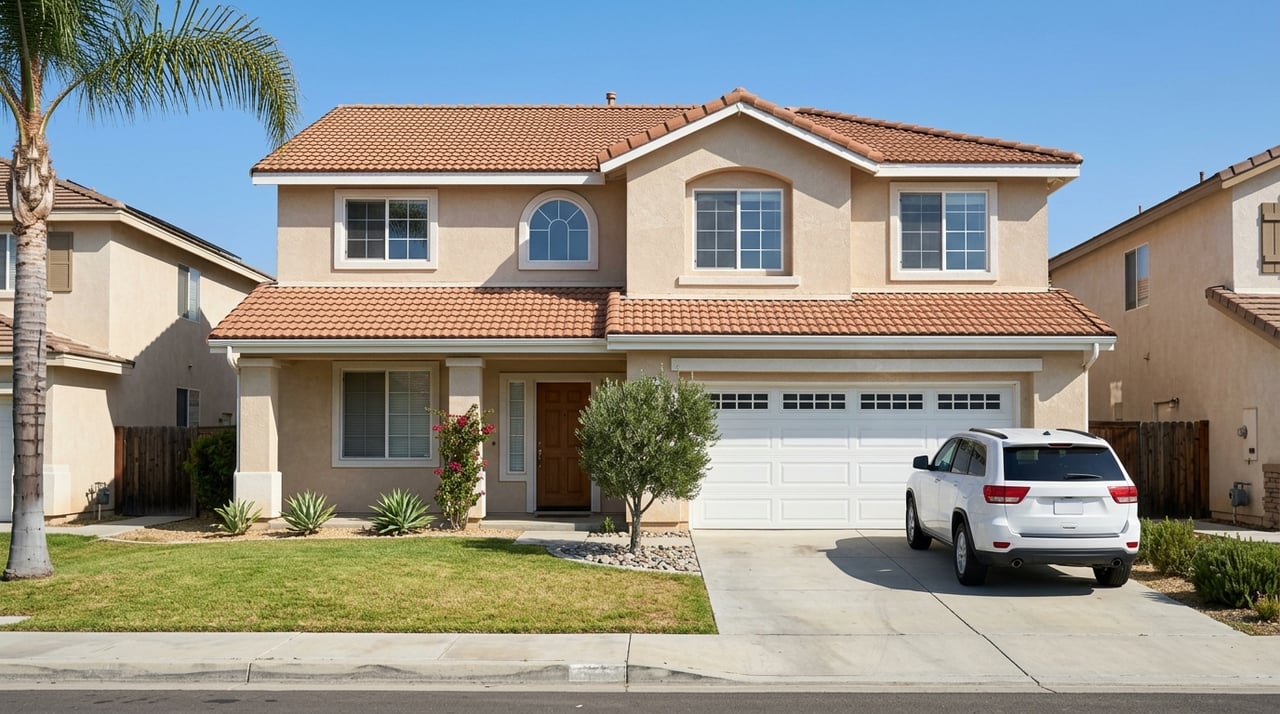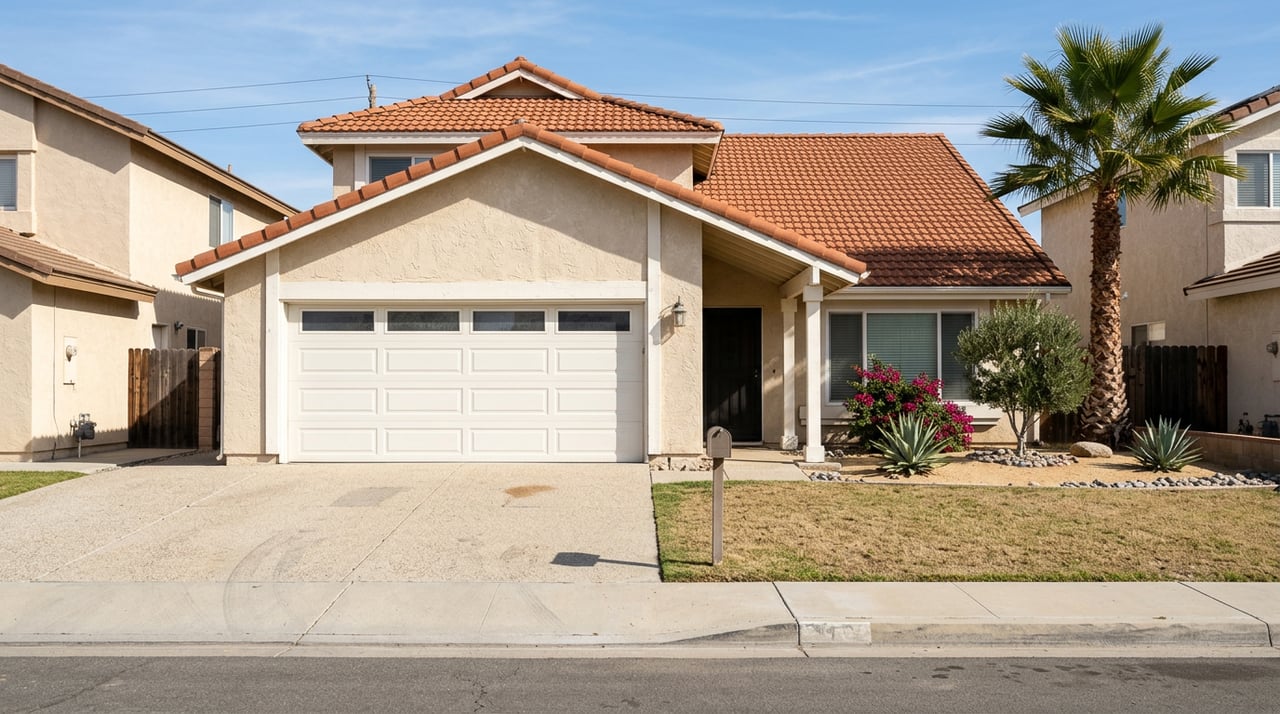
Stuck between a move-in ready resale and that shiny new build in Moreno Valley? You are not alone. The choice affects your payment, maintenance, timeline, and even how your property taxes work. In this guide, you will learn how local prices compare, how HOA dues and Mello-Roos change monthly costs, what builder incentives really mean, and a simple way to run a total cost comparison. Let’s dive in.
Moreno Valley snapshot
Moreno Valley resale prices typically land in the mid-$500,000s, according to regional data sources and property aggregators. For a data point, ATTOM’s property navigator places recent values in that range, though exact medians can vary by neighborhood and home condition. Always check the most current local MLS numbers when you are ready to shop to see how your target area is trending. You can review a broader context in the ATTOM Moreno Valley data.
You will also see active new-home communities in the city. Builders like KB Home, Lennar, and D.R. Horton are delivering floor plans and quick-move options in Moreno Valley. For example, KB Home announced its Palmetto community here (KB Home press release), Lennar’s Estrella shows HOA and tax estimates on select plans, and Palmetto’s community page on NewHomeSource lists starting prices and quick-move homes.
Resale vs new construction at a glance
| Factor | Resale home | New construction |
|---|---|---|
| Price band | Often in the mid-$500Ks depending on age, lot, and upgrades | Base prices often in the same band or modestly higher once you add lot premiums and options |
| Timing to close | Typical escrow is about 30–45 days with financing, faster with cash (time-to-close overview) | Quick-move homes can close on a resale-like timeline. To-be-built homes often take several months from contract to completion |
| Condition & warranty | Varies by home; verify recent updates and system ages | Modern finishes and energy features are common; most builders provide a written new-home warranty, often in a 1-2-10 format (warranty basics) |
| Ongoing fees | May or may not have an HOA or special assessments | Many new communities include HOA dues and a Community Facilities District (Mello-Roos) special tax. Example builder estimate at Estrella shows an HOA around $293 per month and a total tax rate around 1.9% on some plans (Lennar Estrella plan example) |
| Incentives | Seller credits vary by listing | Builders may offer mortgage rate buydowns, closing-cost credits, or price cuts. Confirm terms in writing and lender requirements (builder incentive examples) |
| Customization | Limited to post-purchase remodeling | You may choose finishes, options, and sometimes lot location, especially in earlier phases |
Understand taxes, HOAs, and Mello-Roos
California’s Prop 13 sets a base property tax of about 1% of assessed value, plus voter-approved bonds and other local assessments. The assessed value is set at purchase or at the completion of new construction, then generally increases up to 2% per year unless reassessed. You can review property tax basics through a county assessor overview of Prop 13 and assessments.
Many newer Moreno Valley neighborhoods also have Community Facilities Districts, commonly called Mello-Roos. That special tax appears as a separate line on your property tax bill and can raise the effective tax rate above the 1% baseline. The City provides a helpful CFD and Mello-Roos Q&A that explains how these districts work and what disclosures you should receive. Sellers and builders must provide a Notice of Special Tax when a property is inside a CFD.
Here is an illustrative example to show the math. If a new-home community estimates a total tax rate of about 1.9% compared with a 1.0% baseline elsewhere, on a $560,000 purchase you would pay roughly $10,640 per year at 1.9% versus about $5,600 per year at 1.0%. That is about a $420 monthly difference. If the HOA is around $293 per month, your incremental monthly cost could be about $713. This is only an example. Always use the recorded Special Tax notice and the actual HOA budget for the home you are considering.
How builder incentives change the bottom line
Builders often use incentives to reduce your cash to close or monthly payment. These can include:
- Mortgage rate buydowns, either temporary or permanent.
- Closing-cost credits or design studio credits.
- Price reductions on specific homesites.
Incentives can be valuable but read the fine print. Some offers require you to use the builder’s preferred lender or a certain loan program. Others trade a lower rate for a higher base price. Get every offer in writing and calculate the effective monthly payment and net contract price. For a national snapshot of typical offers, see builder incentive examples.
Timing and logistics
Resale timelines
Resale escrows commonly run 30 to 45 days with financing, depending on your lender, appraisal, and title process. Cash deals can close sooner. You can review common timing factors in this time-to-close overview.
New-home timelines
New homes follow two main paths. Quick-move or inventory homes are already built or near completion, so they can often close on a timetable similar to resale. To-be-built homes require more time, since construction proceeds after you select a lot and plan. Production timelines often run several months from contract to move-in, and they can vary by weather, materials, and inspections. Ask the sales office for an estimated completion date and what happens if there are delays.
Build your total cost comparison
Use a simple total cost of ownership worksheet for year one and for five years. Gather exact numbers for each home you are comparing:
- Purchase price and credits. For new homes, add base price, lot premium, and options, then subtract any incentives. For resales, use the negotiated price minus any seller credits.
- Property taxes. Start with about 1% under Prop 13, then add any special taxes for CFD or parcel assessments and voter-approved bonds. Confirm through the recorded Notice of Special Tax and county assessor data.
- HOA dues and fees. Include monthly dues and any move-in fees. Ask for the budget and reserve study to spot near-term assessments. California’s Davis-Stirling rules explain what buyers can request from HOAs; here is an overview of CID disclosures and budgets.
- Mortgage payment. Run a scenario with market rates, then a second scenario using any builder rate buydown or credits. Verify lender conditions before you rely on the savings.
- Maintenance and immediate fixes. New builds usually have lower near-term maintenance and a written warranty. Many builders or third parties offer 1-2-10 style coverage. See a summary of typical new-home warranty coverage.
- Closing costs and supplemental taxes. New construction can trigger a supplemental property tax bill after closing based on the increase from the prior assessed value. Ask your lender and escrow officer how they handle this.
Local examples to watch
- KB Home Palmetto. A Moreno Valley community with published starting prices and quick-move options. Explore plans on the Palmetto page and verify lot premiums and included features onsite.
- Lennar Estrella. Select plans show an estimated total tax rate near 1.9% and an HOA around $293 per month on builder materials. Confirm current estimates directly with the sales office and review the recorded Special Tax notice. See a representative Estrella plan page.
- D.R. Horton Stella Pointe. Recent releases have been advertised in the high $500Ks to $600Ks range. Ask about quick-move inventory and any buyer incentives on specific lots.
Prices, HOA dues, tax rates, and incentives change frequently. Always verify numbers with the onsite sales team and compare to similar resales in nearby tracts.
Risks and protections to review
- Mello-Roos and CFDs. If the home is in a CFD, the special tax is a long-term lien on the parcel. You must receive a Notice of Special Tax and rate schedule. Review the City’s CFD and Mello-Roos Q&A and confirm the exact amount for your lot.
- HOA health. Ask for the HOA budget, financials, CC&Rs, minutes, and the latest reserve study. These show dues stability and the risk of future assessments. See an overview of California’s Davis-Stirling disclosures.
- Builder contracts and warranty. Clarify what is included in the base price, the lot premium, option cutoffs, and how change orders work. Confirm the warranty term, what starts the clock, and how to file claims. California’s Right-to-Repair framework also creates a defined process and timelines for construction defect claims.
Questions to ask before you choose
If you are buying new construction
- Is this lot inside a Community Facilities District? Please provide the recorded Notice of Special Tax and the current year amount. See the City’s CFD Q&A for context.
- What is the exact HOA monthly fee, and what does it cover? Please share the budget, reserves, and the most recent reserve study. Here is a primer on Davis-Stirling documents.
- Show me the written new-home warranty and who backs it. What is the claim process? Review a summary of common 1-2-10 warranty coverage.
- Which incentives are offered today? Are they tied to a preferred lender or title company? Get an incentive rider in writing. See common builder incentive types.
- Is this a quick-move home or to-be-built? What is the estimated completion date and the remedy for delays?
If you are buying a resale home
- Is the home subject to an HOA or any special assessments? Please provide the HOA packet and disclosures.
- What is the recent permit history? Were any upgrades permitted and finalized? Ask about items that could trigger supplemental taxes or require post-closing work.
- What is the age and condition of major systems like roof, HVAC, and water heater? Request receipts for recent work.
What to do next
Choosing between a resale and a new build in Moreno Valley comes down to total monthly cost, timeline, and how much you value warranties and customization. If you want a faster closing and potentially lower ongoing fees, a resale might fit. If you prefer new systems, energy features, and incentives that ease cash to close, a new home can be a strong option.
Ready to compare your options with current local numbers and on-the-ground details from builder sales offices and the MLS? Reach out to Colleen Horgan for a quick strategy session. We will help you run a side-by-side cost analysis, request the right HOA and CFD documents early, and line up financing that accounts for incentives and supplemental taxes.
FAQs
What is the price gap between resale and new construction in Moreno Valley?
- Recent data places many resales in the mid-$500Ks, while new-home base prices often land in a similar band or a bit higher once you include lot premiums and options; compare specific homes side by side before deciding.
How do Mello-Roos taxes affect my monthly payment in Moreno Valley?
- Mello-Roos is a special tax for certain districts that appears in addition to the 1% Prop 13 baseline and can add hundreds per month, so review the recorded Notice of Special Tax and the HOA budget before you commit.
Do new homes really cost less to maintain in the first years?
- Often yes, because systems are new and many builders offer 1-2-10 style warranties, but confirm coverage limits and claim processes and budget for minor “punch list” items after move-in.
Can I negotiate on a new construction home?
- You may have room through incentives like rate buydowns, closing-cost credits, or upgrades rather than a large base-price cut, and terms often depend on using the builder’s preferred lender.
How long does it take to close on a resale versus a new home?
- Many financed resales close in about 30–45 days, quick-move new homes can be similar, and to-be-built homes commonly require several months from contract to completion.
Are HOA fees common with new builds in Moreno Valley?
- Yes, many new communities include monthly HOA dues and sometimes a CFD special tax, while resales may or may not be in an HOA; confirm fees and coverage before you write an offer.