Moving for work can feel like a race against the clock. You need a place to live, a commute you can manage, and a plan that fits your budget without adding more stress to the transition. If you’re relocating to Ontario, California, this guide will help you understand the local housing picture, commute options, and the trade-offs that matter most so you can make a confident move. Let’s dive in.
Why Ontario Works for Relocation
Ontario is a major Inland Empire employment hub with strong links to transportation, warehousing, retail, and airport-related jobs. The city covers about 50 square miles and has 181,224 residents, with a stated focus on balancing jobs, housing, education, and recreation, according to the City of Ontario.
For many working households, the appeal is simple. Ontario gives you access to a large regional economy, major freeway corridors, and one of Southern California’s key airports, all within a city that offers a range of housing types from apartments to detached homes.
Ontario International Airport is a major part of that story. A city economic development booklet describes ONT as the Inland Empire’s economic engine, noting 6.4 million passengers in 2023, more than 750,000 tons of air cargo, over 4,000 on-site jobs, and 27,800 indirect jobs in the region through official city materials.
Ontario Housing Costs
If you are buying, today’s Ontario market generally falls in the mid-$600,000s. Recent data points vary by source and metric, but they tell a consistent story: Ontario is a market where many purchase conversations start around that range.
According to Zillow’s Ontario market data, the typical home value was $672,742 as of March 31, 2026, with a median sale price of $648,833 and a median list price of $695,298. Since list price, sale price, and typical value are different measurements, it is best to treat them as a practical price band rather than one exact number.
If you are renting first, expect many options in the mid-$2,000s. Apartments.com’s Ontario rent guide lists average rents at $2,025 for a one-bedroom, $2,476 for a two-bedroom, and $2,804 for a three-bedroom, while Zillow places the citywide average rent at $2,529.
That rent-first strategy can make sense for relocation buyers. Census QuickFacts shows that 58.0% of Ontario housing units are owner-occupied, which suggests a solid homeownership base, while still leaving enough rental inventory for people who want time to learn the area before buying.
Housing Types You’ll Find
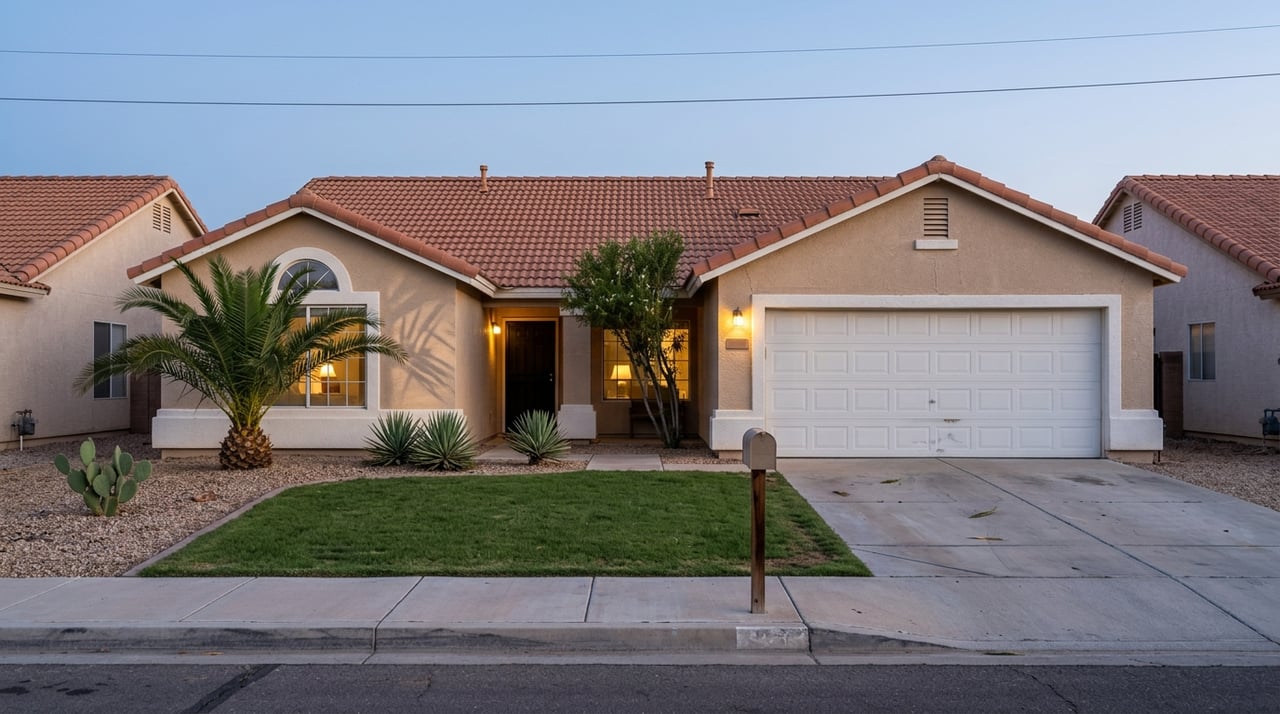
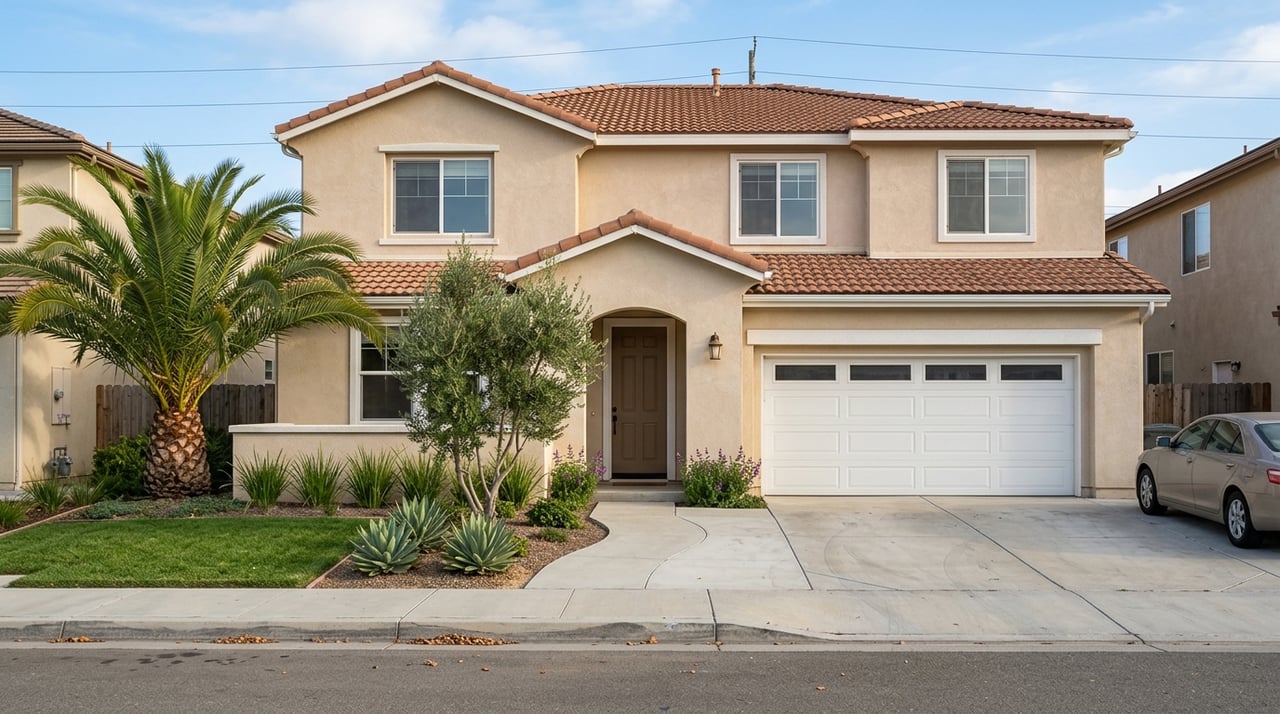
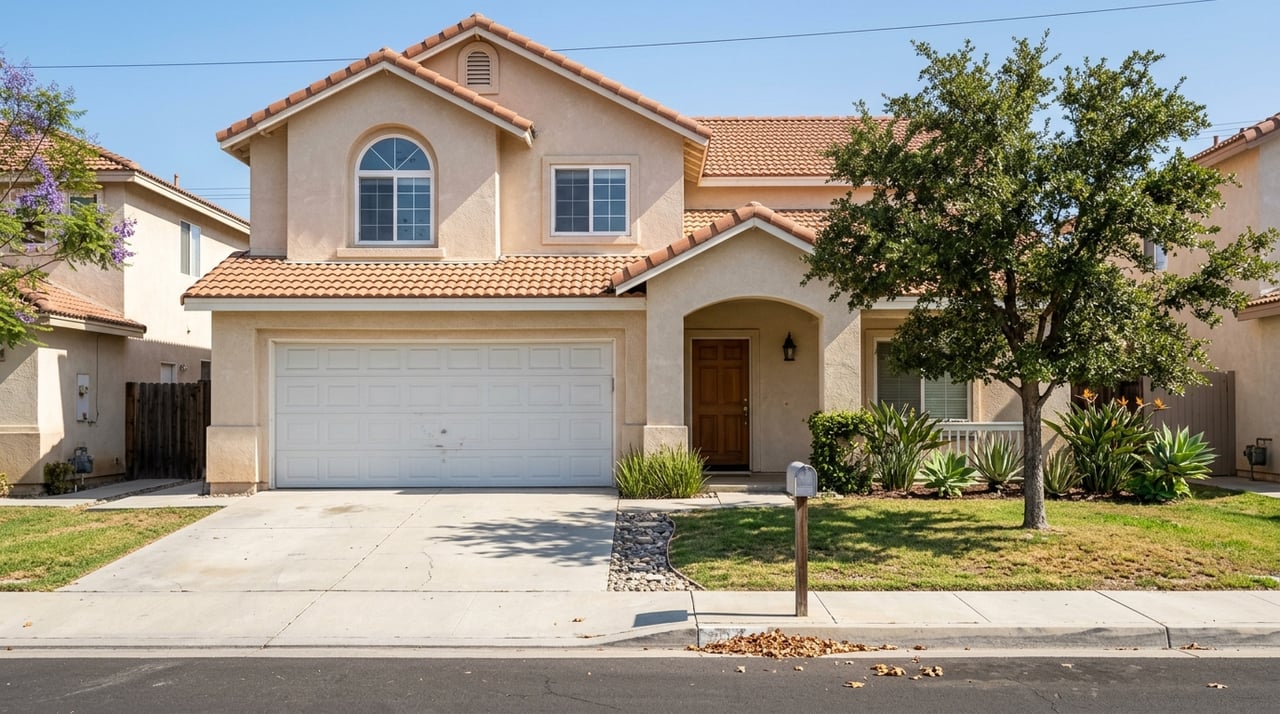
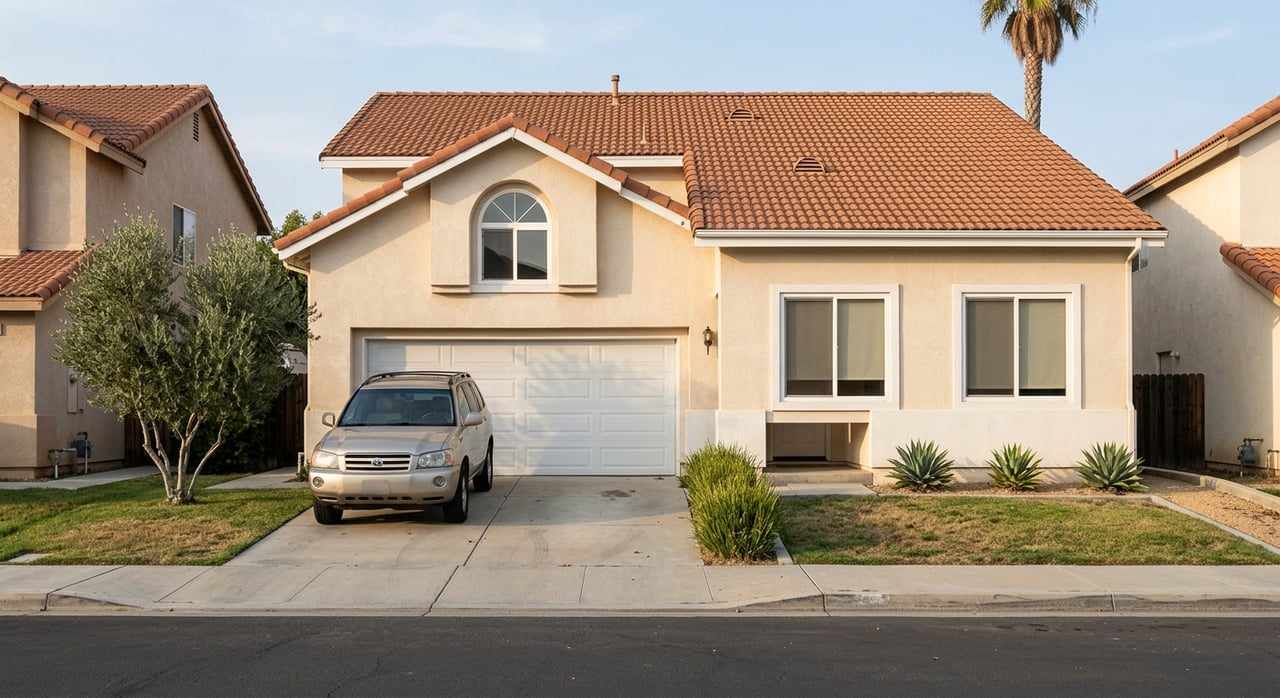
Ontario offers more than one kind of move-in plan. Depending on your timeline, budget, and job location, you may want an apartment close to major roads, a condo with lower maintenance, a townhome, or a detached house with more space.
The city’s planning documents for Ontario Ranch describe a major growth area built around a mix of housing, parks, neighborhood centers, schools, and commercial uses in a large master-planned setting through Ontario Ranch planning documents. Combined with the rental and resale options found across the city, that gives relocating households several paths depending on whether you want newer construction or a more established setting.
Choosing an Area in Ontario
The right fit often comes down to two things: your commute and the kind of housing you want. Ontario has clear differences between newer growth areas, established neighborhoods, and the downtown core.
Ontario Ranch for Newer Homes
If newer housing is high on your list, Ontario Ranch is usually the first area to explore. City planning documents describe it as a large master-planned community with varied housing product, pedestrian connectivity, neighborhood centers, parks, and supporting commercial uses.
It also tends to sit at the higher end of Ontario pricing. Realtor.com data cited in the research places Ontario Ranch at a $720,000 median listing price, making it a useful reference point if you want newer inventory and are planning for a higher purchase budget.
Downtown Ontario for Mixed-Use Living
If you want a more historic, mixed-use setting, Downtown Ontario offers a different feel. The city’s Downtown Ontario Design Guidelines describe a historic retail district with surrounding residential areas and a mix of retail, office, housing, civic, and transit-oriented activity.
The downtown area also includes Ontario Town Square and is part of a broader revitalization effort centered on housing, restaurants, retail, civic uses, and adaptive reuse. For some relocation buyers and renters, that can be appealing if you want a central location with a more urban pattern than newer suburban development.
Ontario Center, Creekside, and Edenglen
If you want something between those two ends of the spectrum, Ontario Center, Creekside, and Edenglen are useful reference points. Zillow data in the research report places typical home values at about $553,774 for Ontario Center, $581,100 for Creekside, and $625,222 for Edenglen.
These areas can be worth a closer look if you want established housing options while staying mindful of budget. They also offer practical access to Ontario’s main roadway network, which matters if your workday depends on getting around the Inland Empire efficiently.
What the Commute Looks Like
Commute planning matters in Ontario because the city is closely tied to regional transportation infrastructure. Official planning documents highlight direct access to I-10, I-15, and SR-60, which helps explain why the city works especially well for people employed in logistics, warehousing, airport operations, light industrial uses, and nearby business corridors through the city’s circulation planning map.
At the same time, Ontario remains a car-first city for most workers. Data USA estimates that 76.7% of workers drove alone, 11.3% carpooled, and 9.15% worked from home in 2024.
That does not mean transit is off the table. It does mean you should plan your move with realistic expectations about how people usually get around.
Best Commutes From Ontario
Ontario is generally easiest if your job is in the Inland Empire. If you work near ONT, in logistics corridors, or in nearby industrial and business areas, the city’s location can be a major advantage.
Census QuickFacts reports a mean travel time to work of 31.5 minutes. That offers a useful baseline, but your actual commute will depend heavily on whether you are staying local or heading west toward Los Angeles or Orange County.
Airport and Inland Empire Jobs
For airport workers, one of the clearest transit tools is ONT Connect Route 380, which provides nonstop service between Rancho Cucamonga Metrolink and Ontario International Airport. Omnitrans says buses run every 35 to 60 minutes on weekdays and every 60 minutes on weekends.
For local Inland Empire trips, Omnitrans Route 81 connects Ontario and Rancho Cucamonga through Ontario Mills, while Route 84 connects Chino, Ontario, and Upland. These routes can be helpful if you want alternatives to driving for parts of your workweek.
Los Angeles and Orange County Commutes
If your job is in Downtown Los Angeles or Orange County, Ontario can still work, but it usually takes more planning. The city has access to Metrolink service, and the Metrolink system map shows regional reach across Los Angeles, Orange, San Bernardino, Ventura, and Riverside counties.
Still, the trade-off is straightforward. Ontario offers more housing choice and Inland Empire access, but commuting west often means longer travel times, transfers, or a drive to a rail connection. If you expect to travel to LA or OC several times a week, it is smart to weigh that routine carefully against your housing goals.
Rent First or Buy Right Away?
For many relocation clients, this is the big decision. If your work location is fixed and you already know you want to stay in the area, buying sooner may help you lock in a home that fits your long-term needs.
If your schedule, office location, or hybrid routine still feels uncertain, renting first can give you breathing room. It lets you test the commute, learn the city’s layout, and compare areas like Ontario Ranch, Downtown Ontario, Creekside, or Edenglen before making a larger commitment.
A simple way to think about it is this:
- Rent first if your job setup may change, you want to learn the area, or you need flexibility in the first 6 to 12 months.
- Buy sooner if your job location is stable, your budget is ready for Ontario’s mid-$600,000s purchase range, and you want to build longer-term roots.
A Smart Relocation Plan
A work move goes more smoothly when you narrow your search around daily life, not just price. Before choosing a home, focus on the basics that will shape your week.
Here are a few smart questions to ask:
- How many days a week will you commute?
- Is your workplace near ONT, the Inland Empire freeway network, LA, or Orange County?
- Do you want newer construction, a mixed-use setting, or an established neighborhood?
- Would renting first reduce pressure while you learn the market?
- How much commute time are you comfortable with in exchange for more home options?
When you answer those questions early, your housing search becomes much clearer. You can filter by location, property type, and budget with a lot more confidence.
Relocating for work is a big step, but Ontario gives you real options. If you want local guidance on where to focus your search, what budget range makes sense, and how to balance housing with commute needs, Colleen Horgan can help you build a plan that fits your move.
FAQs
What is a realistic homebuying budget in Ontario, CA?
- Current Ontario home values and sale prices generally point to a buying range in the mid-$600,000s, with some neighborhoods below or above that depending on location and housing type.
What is a realistic rental budget in Ontario, CA?
- Many Ontario rentals fall in the mid-$2,000s, with averages around $2,025 for one-bedrooms, $2,476 for two-bedrooms, and $2,804 for three-bedrooms.
Which Ontario area is best for newer homes?
- Ontario Ranch is the city’s major newer-growth area and is known for master-planned development with a mix of housing and planned neighborhood amenities.
Which Ontario area is best for a more central, mixed-use setting?
- Downtown Ontario is the city’s historic mixed-use area, with housing, retail, office, civic uses, and transit-oriented activity.
Can you commute from Ontario to Los Angeles or Orange County for work?
- Yes, but it usually requires more planning and often a longer trip than commuting within the Inland Empire, whether you drive or use regional rail connections.
Is Ontario a good fit for airport and logistics workers?
- Yes, Ontario is especially well positioned for airport, warehousing, logistics, and related jobs because of its access to ONT, I-10, I-15, SR-60, and regional transportation networks.