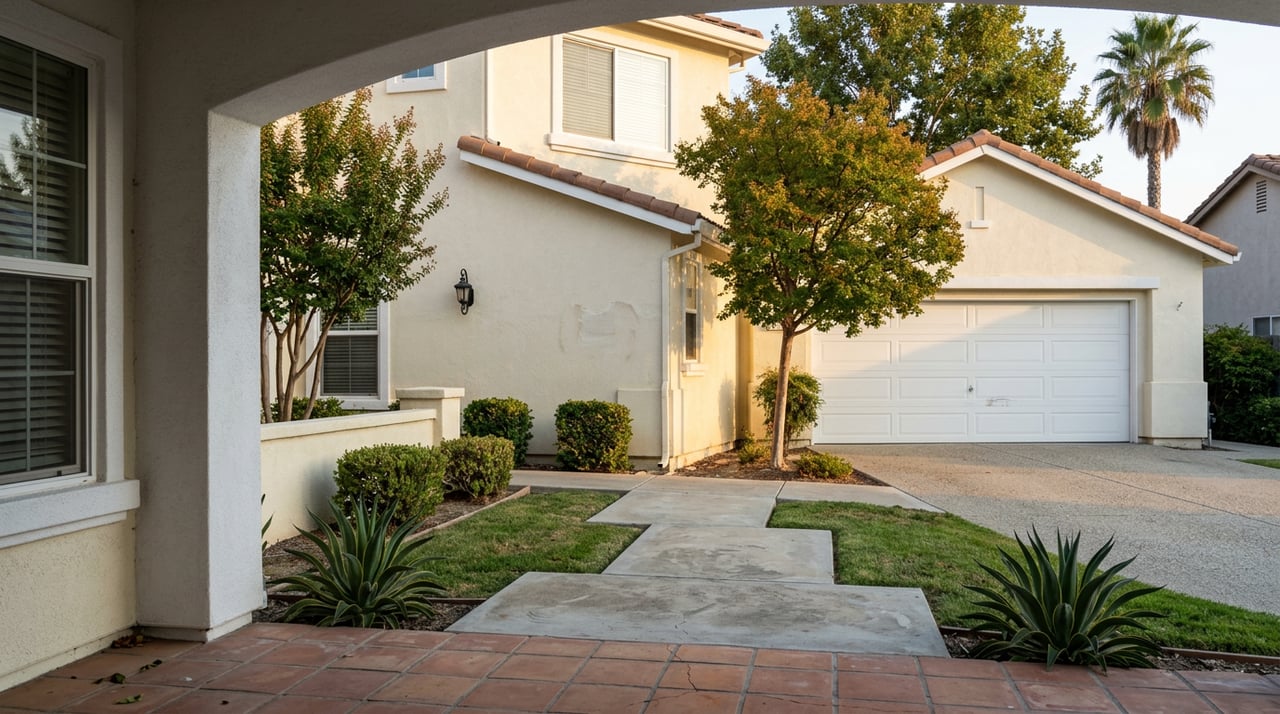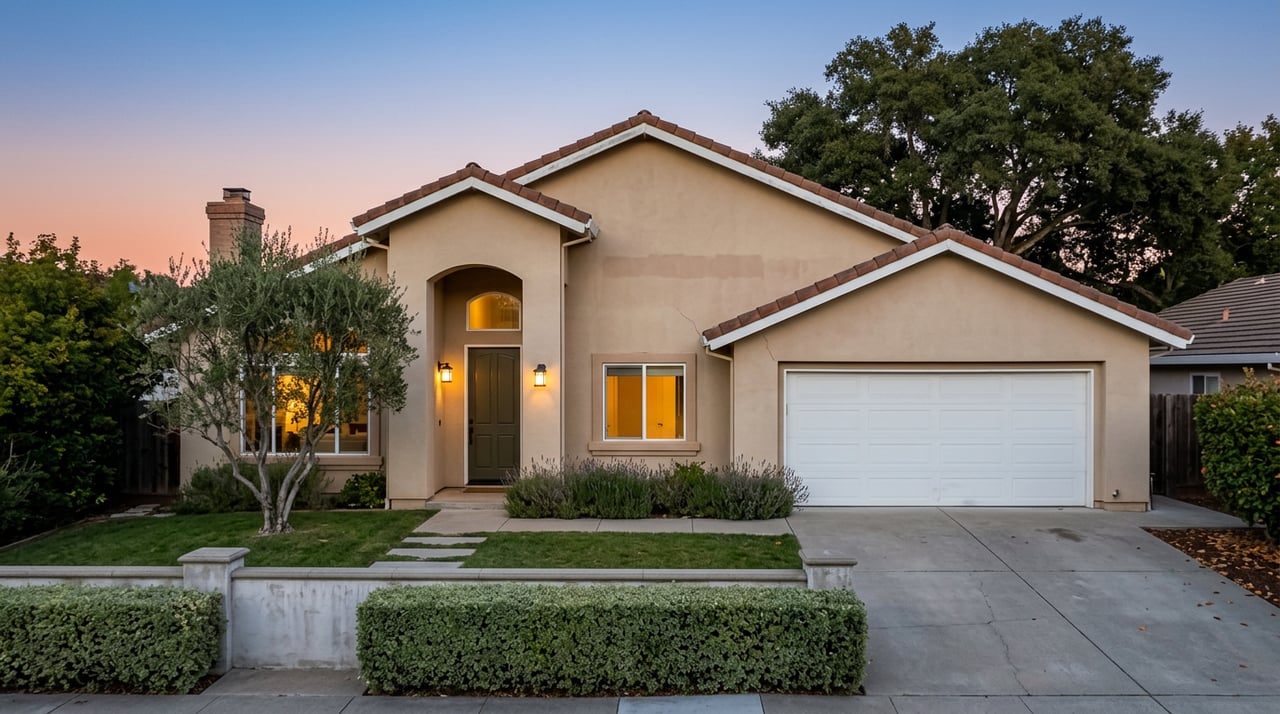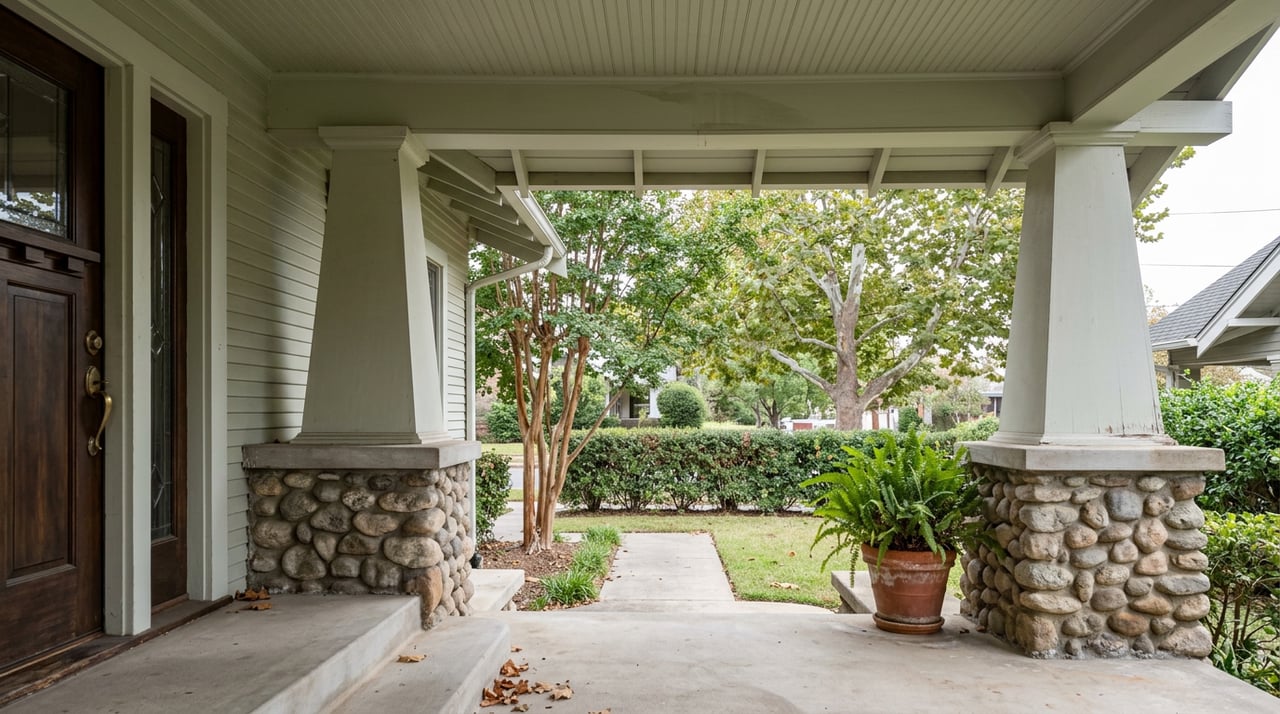
Walk through any Wood Streets listing this fall and you'll find the same line buried in the remarks: "eligible for Mills Act tax savings." It reads like a coupon. Buy this Craftsman on Chestnut or this Spanish Revival on Elm, and the county quietly knocks 20 to 60 percent off the property tax bill every year, forever, because the city said so back in 2004 when it adopted the program.
That's true as far as it goes. What the listing remarks don't say is what actually changes hands at closing: not a discount, but a contract. A specific, recorded, ten-year agreement between the property and the City of Riverside that runs with the title, not the owner. If you're buying a Mills Act home, or you've inherited one through probate and are deciding whether to keep the designation, the number that matters isn't the tax savings percentage. It's what it costs to walk away from the agreement that produces it.
The Contract Doesn't Have a Countdown
Most people assume a ten-year contract means ten years, then it ends. Riverside's Mills Act contracts don't work that way. Under the city's own program terms, the agreement automatically renews every year on its anniversary date unless a Notice of Nonrenewal is filed or the contract is breached. That creates what the city calls a rolling term, one that stays perpetually equal to ten years unless somebody actively stops the clock.
Practically, that means a buyer closing on a Wood Streets contributor home isn't stepping into "six years left" or "three years left" on a countdown. They're stepping into an agreement that has been quietly resetting itself every year since it was recorded, sometimes decades ago, and will keep doing so unless someone files paperwork to end it. The tax break isn't a fixed-term perk you eventually age out of. It's an ongoing commitment you inherit at whatever point in its rolling cycle you happen to close.
Two Ways Out, One of Them Expensive
There are two ways to exit a Mills Act contract, and the gap between them is the number worth knowing before you make an offer on a designated property, or before you list one you've inherited.
| Path | What happens | Cost |
|---|---|---|
| Notice of Nonrenewal | Owner or city files notice; automatic renewal stops and the existing term winds down instead of resetting | No fee, but the preservation obligations and reduced assessment both continue for whatever years remain on the current cycle |
| Outright cancellation | Contract terminates immediately, either by mutual agreement or after a breach the owner doesn't cure | A penalty equal to 12.5 percent of the property's current fair market value, under state law governing Mills Act contracts statewide |
On a home priced near Heritage Square's current median of roughly $655,000, a straight cancellation runs somewhere in the neighborhood of $81,000. That's not a hypothetical worst case. It's the state-mandated formula, and it applies whether the owner wants out because they can't meet the maintenance obligations, because a lender or insurer balked at the restriction, or because they simply want to demolish and rebuild something the Secretary of the Interior's Standards wouldn't approve.
The Renovation You Can't Do Without a Phone Call First
A Mills Act contract isn't passive. Any exterior alteration, rehabilitation, or addition to a designated resource, or to a contributing structure within one of Riverside's historic districts, requires a Certificate of Appropriateness reviewed by the Cultural Heritage Board before work begins. That review checks the proposed work against the Secretary of the Interior's Standards for the Treatment of Historic Properties and the district-specific design guidelines the city has published, including a dedicated set for the Mt. Rubidoux district.
In practice, that covers more than most buyers expect walking into escrow:
- Replacing windows or doors, even for energy efficiency
- Changing roofing material or re-siding the exterior
- Adding a garage, carport, or accessory dwelling unit
- Altering a porch, balcony, or other character-defining feature
- Repainting in a scheme that departs from the historic palette
None of this is disqualifying. It's a review step, not a denial. But a buyer who plans to gut-renovate a Wood Streets cottage the way they would a non-designated tract home is going to hit a process they didn't budget time or money for, and that process starts before the first permit gets pulled.
The Percentage on the Seller's Tax Bill Isn't the Percentage You'll Get
The 20 to 60 percent savings range the city advertises isn't a flat rate. Every year, the county assessor calculates three separate values for a Mills Act property: the standard market value, the Proposition 13 factored base year value, and a restricted value calculated under the income approach required by state law. Whichever of the three is lowest gets enrolled for that tax year.
That matters at resale because a change of ownership resets the factored base year value to the new purchase price. If you're buying a Wood Streets home well above its prior assessed value, the base year comparison point jumps with you, even though the restricted income-approach value gets recalculated independently. The seller's most recent tax bill tells you what their savings percentage was. It doesn't tell you what yours will be, because the assessor runs the same three-way comparison fresh for the new owner and the new price.
Why Wood Streets Sells in Weeks and Heritage Square Takes Months
Current listing data this September shows a real gap inside Riverside's historic housing stock. Homes in Wood Streets are moving in roughly 26 days on average. Homes in Heritage Square are taking closer to 86 days, well above the roughly 50-day citywide average. The price gap doesn't explain it: Heritage Square's median list price, around $655,000, sits close to the roughly $640,000 median for vintage homes across the entire city.
What differs is the buyer pool. Heritage Square's inventory skews toward income and multi-family properties, duplexes and small apartment buildings that are also Mills Act eligible but attract investors who underwrite cap rates, financing terms, and compliance obligations before they write an offer. Wood Streets skews single-family and owner-occupant, drawn by curb appeal and the neighborhood's tree-lined streets named for lumber, Elm, Chestnut, Mulberry, Lime, running south of downtown between Magnolia and Arlington Avenues. Those buyers move faster on emotion and financing, then often meet the Mills Act's fine print for the first time during the inspection contingency period rather than before they make an offer.
If You're Hoping to Add the Contract After Closing
Not every historic-district home already carries a Mills Act contract, and adding one isn't automatic. Riverside accepts applications only between January 1 and May 31 each year, and the city allocates an average of 15 to 20 contracts annually, roughly 13 for residential properties and two for commercial. If applications exceed that allocation, the remaining slots are awarded by random selection rather than first-come, first-served. There's also a non-refundable $126 application fee plus a $957 contract initiation fee once a property is approved.
The city also requires an interior and exterior inspection before any new contract is approved, and again at minimum every five years afterward, along with annual reports documenting completed improvements through photos, receipts, or permit records. That's a real ongoing commitment layered on top of the tax benefit, not a one-time filing.
A Few Questions Worth Asking Before You Write an Offer
Does the Mills Act contract transfer automatically when I buy the home? Yes. It's recorded against the property title in Riverside County, not tied to the individual seller, so a new owner steps directly into the existing rolling term and its obligations.
Can I just let the contract lapse instead of paying the cancellation penalty? You can file a Notice of Nonrenewal, which stops the automatic annual renewal so the current term counts down to its end instead of resetting. You keep the reduced assessment and the preservation obligations during that wind-down period, but you avoid the 12.5 percent fee that comes with outright cancellation.
Does every home in a Riverside historic district qualify for the Mills Act? Only properties formally designated as a City Landmark, a Structure of Merit, or a contributor to a Historic District or Neighborhood Conservation Area are eligible. A property doesn't need to look historic to qualify, and one that looks historic isn't automatically eligible until the city's Historic Resources Inventory confirms the designation.
If you're weighing a historic-district purchase, deciding what to do with an inherited property in Wood Streets or Heritage Square, or listing a home that already carries a Mills Act contract, the contract terms are as much a part of the deal as the price. Colleen Horgan Real Estate has handled the probate, relocation, and complex-title sales that come with Riverside's older housing stock for years. Schedule a free market consultation with our team before you write an offer or sign a listing agreement on a designated property, so the contract's terms are part of your decision from the start, not something you discover in escrow.