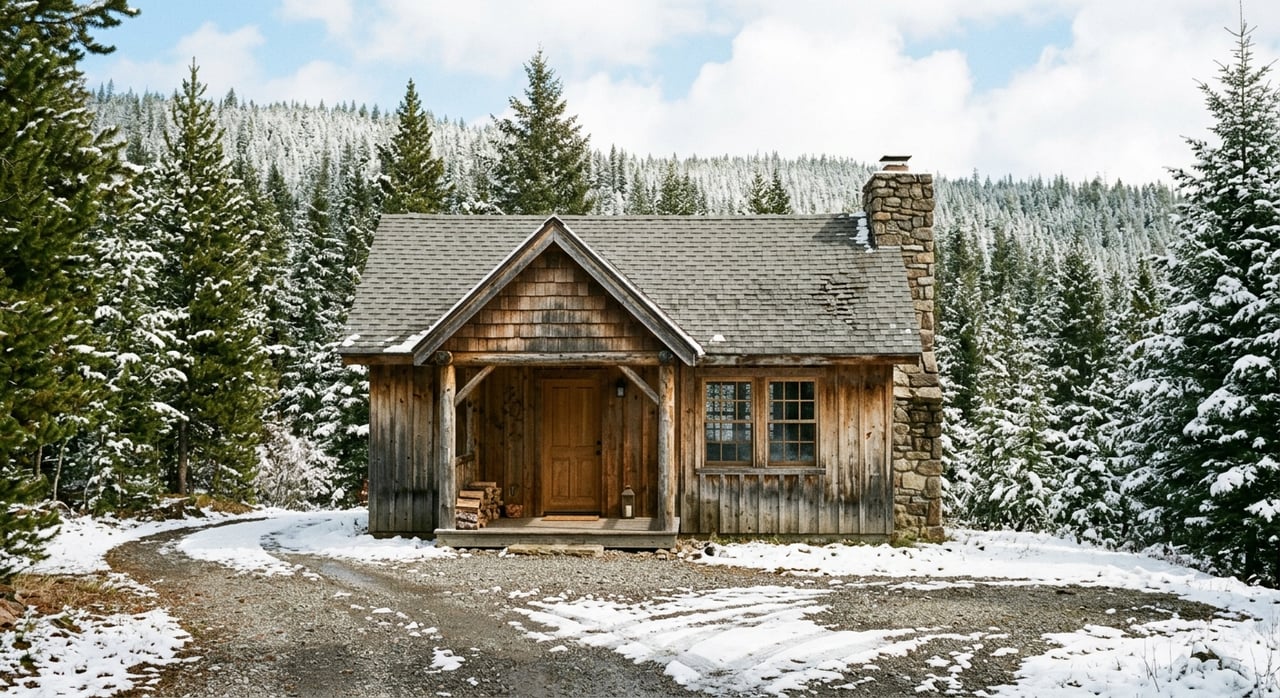
Thinking about turning your Big Bear cabin into a long-term rental? It is a smart question, especially in a mountain market where seasonal use, vacation demand, and year-round housing needs all overlap. If you want more predictable income, fewer turnovers, and a simpler ownership model, this guide will help you weigh the trade-offs and decide whether a long-term rental fits your goals. Let’s dive in.
Why This Question Matters in Big Bear City
Big Bear City is not a typical rental market. San Bernardino County describes the Bear Valley mountain communities as a four-seasons resort destination, which means the area draws visitors throughout the year.
At the same time, Big Bear City also has a year-round resident base. Census Bureau QuickFacts for Big Bear City show 12,738 residents, 5,261 households, and a 70.8% owner-occupied rate, with a 2020 to 2024 median gross rent of $1,854.
That mix matters if you own a cabin. You are not just deciding between renting and not renting. You are deciding between two different operating models: a long-term rental with more stability, or vacation use with more moving parts.
Big Bear City Has Seasonal Homes and Year-Round Demand
One of the biggest local factors is the area’s housing mix. According to San Bernardino County’s housing element, 58% of homes in Big Bear City are owned for seasonal, recreational, or occasional use, including short-term rentals.
That helps explain why vacancy numbers can be misleading here. In Big Bear City, an empty home may not reflect weak tenant demand. It often reflects second-home ownership, vacation use, or seasonal occupancy instead.
The county also notes that the mountain region includes resorts with workers who need seasonal or full-time housing. In plain terms, that points to a real tenant base for owners considering a long-term rental strategy.
What Long-Term Rent Looks Like
If you are trying to estimate income, local benchmarks can help ground the decision. Zillow reported 47 available Big Bear City rentals and an average rent of $1,950 as of June 29, 2026, with asking rents ranging from $1,395 to $4,050.
San Bernardino County’s May 2024 short-term-rental technical memo placed Big Bear City’s median long-term rent at $2,095 per month, or $25,140 per year. That gives you a useful target range if you are comparing long-term income with other ways to use the property.
Of course, not every cabin will land at the median. Rent potential can vary based on size, condition, parking, utility setup, and how well the home handles mountain weather.
How Long-Term Renting Compares to Vacation Use
The biggest reason owners consider short-term rental use is the possibility of higher gross revenue. But that does not automatically mean it is the better fit for your property or your goals.
The county’s memo estimated that a property with an average daily rate of $381 would need about 66 booked nights to match that annual long-term-rent revenue before expenses. That comparison is helpful because it shows how much booking performance matters.
The same memo also notes that some owners see the short-term rental market as reaching saturation as bookings decrease and revenue becomes harder to maintain. That does not mean vacation rentals no longer work. It means the margin for error may be tighter than many owners expect.
When a Long-Term Rental May Make More Sense
A Big Bear cabin may be a stronger fit for long-term renting if your main priority is predictability. Monthly rent can give you steadier occupancy and a clearer income picture than a booking calendar that changes with season, weather, and competition.
Long-term rentals also usually come with fewer turnovers. That can mean less time spent coordinating cleaning, restocking, guest communication, and frequent maintenance between stays.
If you do not want a high-touch operating model, long-term renting can feel more manageable. For many owners, that simpler structure is a major benefit.
Signs your cabin may fit long-term renting
- You want more consistent monthly income
- You prefer fewer tenant or guest turnovers
- You do not want to manage frequent bookings
- Your cabin works well for everyday living, not just weekend stays
- You are prepared for year-round mountain property maintenance
Mountain Weather Changes the Equation
Big Bear City’s climate is not a side note. It should be part of your rental decision from the start.
NOAA’s Big Bear Lake climate station, at 6,753 feet, reports an annual mean temperature of 48.0°F and average annual snowfall of 58.6 inches. Caltrans also warns that winter travel can take longer, conditions can change quickly, and traction chain controls may be required.
For a long-term rental, that means tenants are likely to focus on daily livability. Heat, insulation, safe parking access, and practical snow and ice expectations can matter just as much as the cabin’s style or view.
Features long-term tenants may care about
- Reliable heating
- Good insulation and weather protection
- Driveway or parking access during winter weather
- Clear expectations for snow and ice handling
- Practical utility setup for year-round living
Lease Expectations Should Be Clear
In a mountain market, clear lease terms can prevent confusion. A recent Big Bear City rental listing showed terms such as a 1-year lease, tenant-paid utilities, no smoking, no pets, and renter’s insurance required.
That does not mean every owner should use the same terms. It does show how long-term landlords in the area often formalize expectations up front.
If you are considering this route, think through the day-to-day realities of the property. Utility responsibility, winter access, smoking rules, pet policies, and insurance requirements can all affect how smoothly the tenancy runs.
The Real Trade-Off: Simplicity vs. Revenue Potential
At its core, this decision comes down to what kind of ownership experience you want. Long-term renting tends to favor stability, fewer turnovers, and a simpler operating model.
Vacation use may offer higher gross revenue on paper, but only if the property can sustain enough booked nights and still perform after operating costs. The county’s materials make that trade-off clear: higher potential income can come with more complexity and more uneven results.
That is why this is not just a numbers question. It is also a time, effort, and risk-tolerance question.
Questions to Ask Before You Decide
Before you commit to a long-term rental strategy, it helps to be honest about your priorities. A cabin that looks promising as a vacation property may still be a better long-term rental if your goals are stability and lower management intensity.
Ask yourself:
- Do you want steady occupancy more than peak-season upside?
- Is your cabin comfortable for full-time living in all seasons?
- Are you ready for winter maintenance and access issues?
- Would simpler operations make ownership less stressful?
- Are you comparing gross revenue only, or the full effort involved?
If your answers lean toward predictability, usability, and lower turnover, long-term renting may be the better path.
How to Evaluate Your Cabin’s Fit
Every property is different, even within the same market. Some cabins are set up well for frequent guest turnover, while others are better suited to someone who wants a stable home base for a year or longer.
When you evaluate your own cabin, focus on practical fit. Think about layout, parking, heating, insulation, and the overall ease of living there through winter and summer alike.
You should also compare realistic income scenarios. A steady monthly rent around local benchmarks may be more attractive than chasing higher top-line revenue that takes more work to produce.
A Smart Move for the Right Owner
In Big Bear City, a long-term rental can be a smart move when you want stable occupancy, simpler management, and a cabin that supports year-round living. The local data suggests there is real tenant demand, even in a market shaped by second homes and vacation use.
That said, the best choice depends on your property and your goals. If your cabin is optimized for guest turnover and can consistently perform well, vacation use may still be worth considering. But if you value predictability and a more straightforward rental model, a long-term lease may be the stronger fit.
If you want help evaluating how a cabin fits into your broader real estate plans, schedule a free market consultation with Colleen Horgan.
FAQs
Is there year-round long-term rental demand in Big Bear City?
- Yes. San Bernardino County notes that the mountain region includes resorts with workers who need seasonal or full-time housing, which supports a year-round tenant base in addition to vacation demand.
What is the typical long-term rent in Big Bear City?
- San Bernardino County’s May 2024 technical memo placed Big Bear City’s median long-term rent at $2,095 per month, and Zillow reported an average asking rent of $1,950 as of June 29, 2026.
How does a Big Bear City long-term rental compare with short-term rental income?
- The county estimated that a property with a $381 average daily rate would need about 66 booked nights to match annual long-term rental revenue before expenses.
What property features matter for a Big Bear City long-term rental?
- Based on local climate and winter travel conditions, practical features include reliable heat, insulation, workable parking access, and clear expectations around snow and ice.
Is vacancy in Big Bear City a sign of weak rental demand?
- Not necessarily. County housing data says 58% of homes in Big Bear City are owned for seasonal, recreational, or occasional use, so vacancy often reflects second-home or vacation-use patterns rather than weak demand.