Dreaming about a cozy Big Bear cabin sounds easy. Buying one wisely takes a little more planning. If you are thinking about a vacation place in Big Bear City, it helps to understand how the area works in every season, what ownership really involves, and which property details can affect your enjoyment from day one. Let’s dive in.
Big Bear Is a True Four-Season Market
One of the biggest reasons buyers look at Big Bear is simple: it is not just a winter destination. The area is known as a four-season mountain lake escape, with winter peak season running from Thanksgiving to March and summer peak season from Memorial Day to Labor Day.
That matters because your cabin may get use well beyond ski season. Hiking, fishing, lake activities, and holiday travel all help support year-round appeal. For many Southern California buyers, Big Bear also feels practical because it is generally a 2- to 3-hour drive away.
At about 7,000 feet in elevation, Big Bear offers a very different setting than lower-elevation communities. The area gets roughly 300 days of sunshine, about 120 inches of snowfall a year, average summer daytime temperatures near 77 degrees, and winter daytime temperatures in the mid-40s. If you want a getaway that feels seasonal without requiring a flight, that mix is a big part of the draw.
Cabin Style Matters More Than You Think
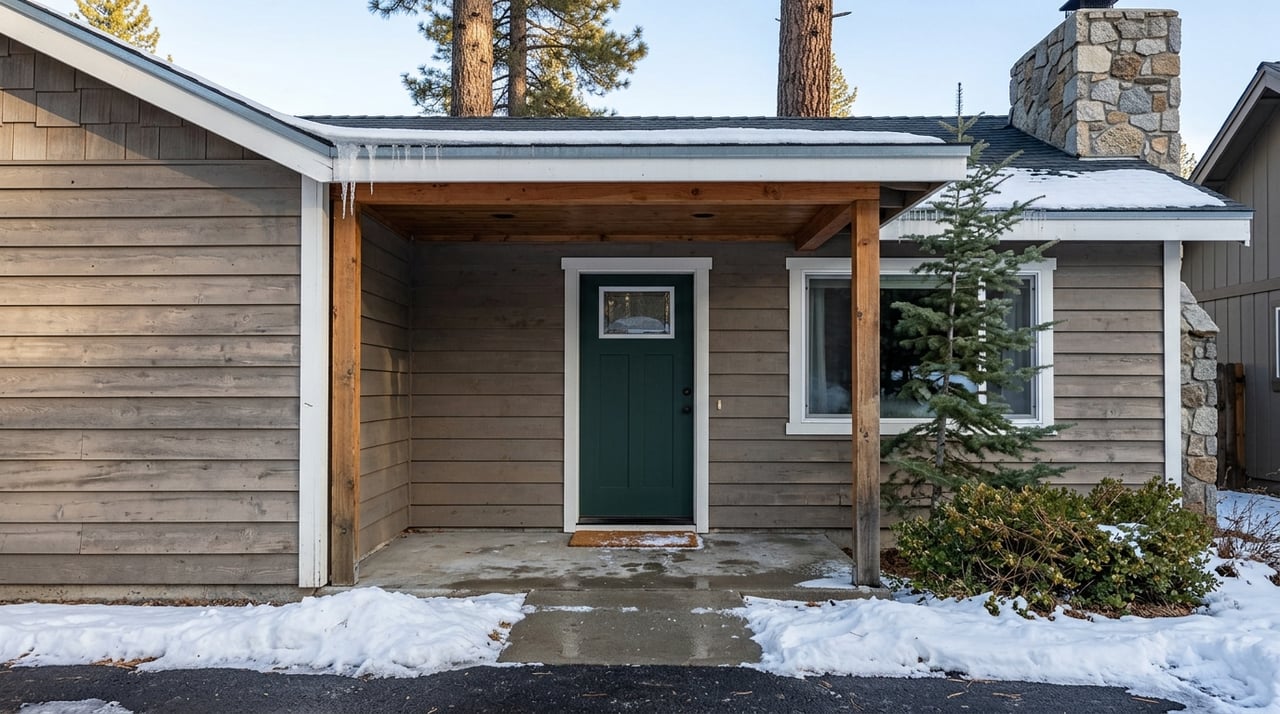
When people say they want a Big Bear cabin, they may be picturing very different homes. Some cabins lean rustic, with log-style details and stone finishes. Others are more modern and minimal.
It helps to look past the word “cabin” and focus on how you will actually use the property. A romantic weekend place for two has very different needs than a home built for larger family gatherings or group trips.
Focus on Layout First
A pretty exterior can pull you in, but layout often affects long-term satisfaction more. Bedroom count, bathroom count, sleeping flexibility, and common living space all shape how comfortable the property will feel.
Before you buy, ask yourself a few practical questions:
- How many people will stay there most often?
- Will you want separate guest space?
- Do you need room for longer stays?
- Will you use it mostly for quiet weekends or larger gatherings?
Those answers can help narrow your search much faster than style alone.
Big Bear City Location Tradeoffs
Big Bear City sits within the unincorporated Big Bear Valley area, and location decisions often come down to tradeoffs rather than a single perfect answer. Some buyers care most about lake proximity. Others want easier ski access. Many care just as much about winter driving convenience.
That last point is easy to underestimate. In a mountain market, the cabin itself is only part of the ownership experience. How easily you can get there during cold weather can shape how often you actually use it.
Think About Winter Convenience
A cabin that feels ideal in July may feel different during a snowy holiday weekend. Main access into the Big Bear area is typically via Highways 18, 330, and 38, and road conditions can change quickly.
If you are comparing homes, think beyond map distance. Consider your likely route, how often you plan to visit in winter, and whether easy arrival matters more to you than being closer to one specific attraction.
Snow Access Is Part of Ownership
In Big Bear, road conditions are not just a travel issue. They are part of the ownership equation. Local visitor guidance recommends checking Caltrans conditions and carrying tire chains from November 1 through April 30 because poor road conditions can happen in any season.
Even if you drive a four-wheel-drive vehicle, you may still need to carry chains in chain-control areas. Conditions can also shift fast enough to create delays or closures. So if winter use is a major goal, be realistic about your comfort with mountain driving.
What to Plan for Before You Buy
It helps to go into the purchase with clear expectations. You do not need to be an expert mountain driver, but you should be prepared for mountain travel rules and weather-related changes.
Keep these points in mind:
- Chain requirements may apply during winter weather
- Travel times can increase during peak visitor periods
- Road access can affect how often you use the home
- Convenience is a real value factor for a vacation cabin
Lake Access Comes With Rules
Many buyers love the idea of being near Big Bear Lake, but lake living has some practical limits. If you plan to boat, the Big Bear Municipal Water District requires proper boat permits to be displayed.
Public docks are for loading and unloading only. Overnight mooring and beaching are prohibited. That means you should understand the actual rules tied to lake use instead of assuming a nearby location automatically gives you flexible access.
Know the Seasonal Limits
Lake use also changes with the season. Marinas typically close in late fall through winter, while shoreline fishing remains open year-round.
Winter brings another important safety rule. The lake can freeze at the surface, but it is illegal to walk, play, or otherwise be on the ice at any time. If lake recreation is high on your list, make sure your expectations match the season when you expect to visit most.
Cabin Upkeep Is More Hands-On
A mountain vacation home usually needs more active maintenance than a typical lower-elevation second home. This is one of the biggest surprises for first-time cabin buyers.
Cold weather can put plumbing at risk. Exposed pipes may need insulation, and freezing conditions can create expensive damage if a cabin is not properly winterized.
Pay Attention to Roof and Snow Issues
Roof design matters in snowy areas. Snow drifting, ice dams, and rain-on-snow conditions can all increase roof stress in certain situations.
That does not mean every cabin has a problem, but it does mean you should take roof condition, insulation, and drainage seriously during your buying process. A cabin that looks charming from the street still needs to perform well in mountain weather.
Plan for Wildfire Preparation
Wildfire readiness is another core part of ownership in Big Bear. CAL FIRE recommends home hardening and maintaining 100 feet of defensible space, including keeping annual grass to a maximum height of four inches and combustible materials 30 feet from the home.
The Big Bear Fire Department also emphasizes vegetation reduction around the house. Its checklist includes clearing pine needles from roofs and gutters, pruning branches near the roofline, and thinning vegetation around structures. In other words, a mountain cabin needs ongoing exterior attention, not just occasional visits.
If You May Rent It Out, Check County Rules First
Some buyers want personal use only. Others hope to offset costs through short-term rental income. If that is part of your plan, San Bernardino County rules should be part of your decision before you close.
For private homes in the county’s mountain and desert areas, short-term rental permits are required when the home is rented for 30 days or less. Owners must also provide a 24-hour contact number and comply with occupancy, fire, building, zoning, and health and safety requirements.
Understand the Operating Limits
County rules also include quiet hours from 10 p.m. to 7 a.m. Short-term rentals cannot be used for commercial purposes such as filming, corporate retreats, conferences, or wedding receptions.
That means not every cabin is automatically a simple income property. If rental potential matters to you, it is smart to evaluate the home with county requirements in mind, along with your own goals for personal use, upkeep, and guest management.
What Smart Buyers Prioritize
Before buying a Big Bear vacation cabin, it helps to balance emotion with logistics. The setting may be the reason you start looking, but practical details often determine whether you will be happy with the purchase over time.
The strongest buying decisions usually come back to a few basics:
- How often you realistically plan to use the cabin
- How comfortable you are with winter access and chain rules
- Whether the layout fits your typical guests and travel style
- How much upkeep you are prepared to handle
- Whether short-term rental rules affect your plans
When you look at a property through that lens, it becomes easier to separate a fun idea from a smart fit.
If you are weighing a vacation cabin purchase and want practical guidance from a team that understands how Southern California buyers evaluate second-home opportunities, Colleen Horgan can help you think through the details and next steps.
FAQs
What should you know about winter driving to a Big Bear City cabin?
- You should expect possible chain requirements, road checks, and occasional delays or closures, especially during winter weather.
What should you know about seasonal use of Big Bear Lake near a vacation cabin?
- Shoreline fishing is open year-round, but marinas typically close in late fall through winter, and being on lake ice is not allowed.
What should you know about maintenance before buying a Big Bear vacation cabin?
- You should budget time and attention for winterization, pipe protection, roof and snow issues, and regular defensible-space upkeep.
What should you know about renting out a Big Bear City cabin short term?
- If you plan to rent the home for 30 days or less, San Bernardino County requires a short-term rental permit and compliance with county operating rules.
What should you know about choosing the right Big Bear cabin layout?
- You should focus on how many people will use the home, how long they will stay, and whether the bedroom and living space setup matches your typical trips.