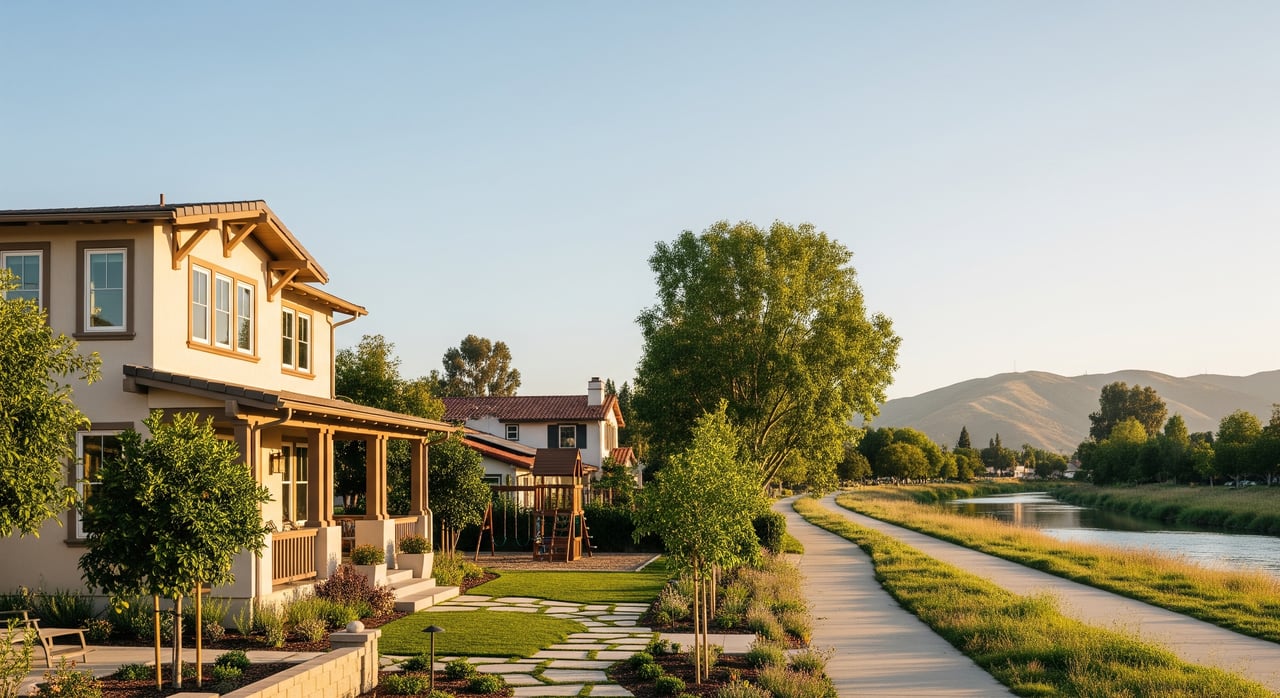
Thinking about more space, easier routines, and a backyard where kids can play? If you are weighing a move to Riverside, you are not alone. Families come here for larger homes, parks and trails, and a realistic commute plan that fits work and school schedules. In this guide, you will learn how day‑to‑day family life feels in several Riverside neighborhoods, plus what to verify before you buy so your move is a smooth one. Let’s dive in.
Why families choose Riverside
Riverside offers an Inland Mediterranean climate with hot, dry summers and mild winters, which makes outdoor time a regular part of life. Many neighborhoods have community parks, trails, and recreation centers nearby. Backyard space and air conditioning are common priorities for local buyers.
Commuting is a major consideration. Riverside sits along SR‑91, I‑215, SR‑60, and I‑15, and the city has Metrolink commuter rail service at Riverside‑Downtown and Riverside‑La Sierra stations, plus Amtrak at Riverside‑Downtown. Peak traffic can vary widely, so plan for ranges rather than exact minutes.
Riverside often provides more single‑family home for the money than many coastal Los Angeles and Orange County areas. Market conditions change, so use current data when you are ready to shop and pair it with on‑the‑ground tours.
Shortlist: family‑friendly neighborhoods
Canyon Crest and UCR Area
- Vibe and amenities: Established suburban streets near UC Riverside with sidewalks, shopping centers, and access to campus cultural events.
- Housing: Mid‑century to newer single‑family homes, many with 3 to 4 bedrooms and moderate yards, plus some townhomes near commercial areas.
- Outdoors: Nearby trails and open space make it easy to fit in hikes and bike rides.
- Commute: Direct access to I‑215 and SR‑91 in many pockets. Timing varies by destination and time of day.
Orangecrest
- Vibe and amenities: Newer master‑planned feel with neighborhood parks, community play areas, and nearby elementary schools.
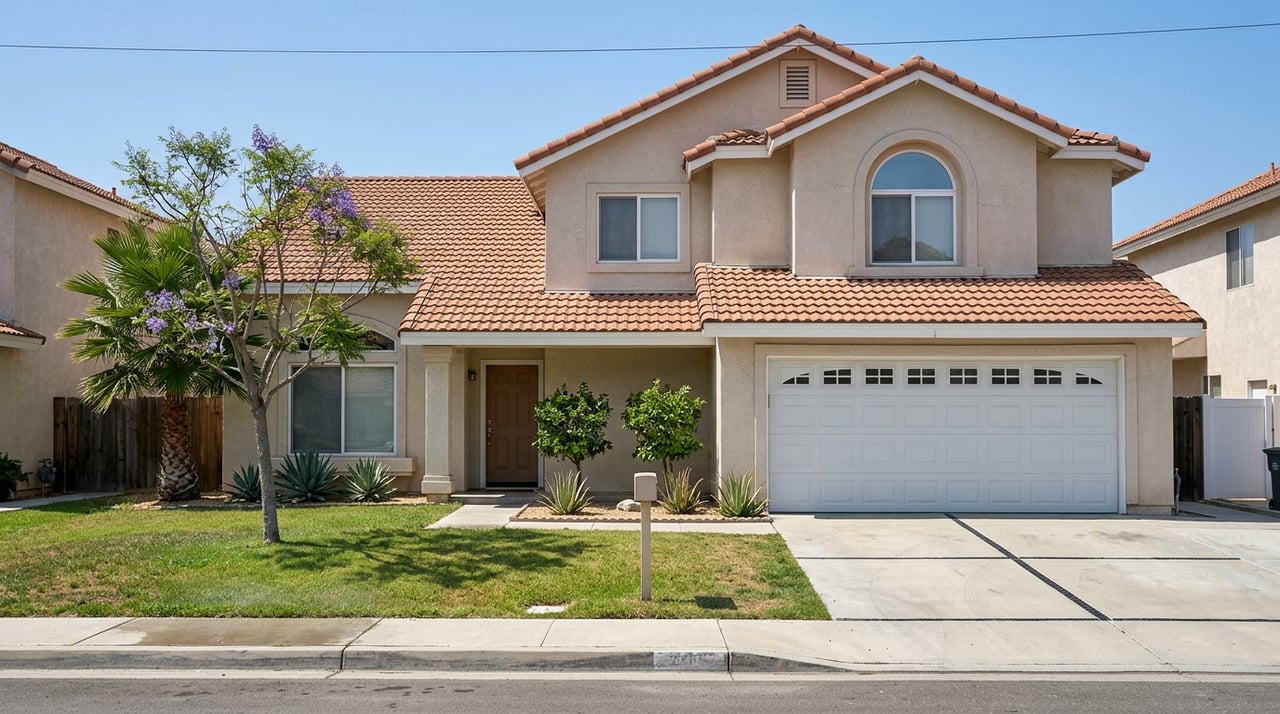
- Housing: Predominantly 1990s to present single‑family homes with larger floor plans, cul‑de‑sacs, and two‑car garages. Some homes include HOA amenities.
- Family rhythm: Afternoon sports leagues and community pool time are common, with shopping and errands close by.
- Commute: Good access to I‑215 and SR‑91. Many residents commute west toward employment centers.
Woodcrest
- Vibe and amenities: Semi‑rural character with larger lots and, in some areas, horse properties. Appeals if you want more outdoor space and privacy.
- Housing: Ranges from ranch‑style homes to custom properties on acreage.
- Tradeoffs: Longer drives for schools and errands depending on the exact location. Evaluate brush and wildfire mitigation requirements in hillside areas.
- Commute: More driving overall, so plan routes and test drive times during your typical schedule.
La Sierra and Magnolia Center
- Vibe and amenities: Established suburban neighborhoods with mature trees and local parks. Shopping and schools are within short drives.
- Housing: Mid‑20th‑century single‑family homes with some townhome pockets. Often more budget‑friendly than newer master plans.
- Commute: Convenient to westbound routes along I‑215 and SR‑60.
- Lifestyle: Balanced suburban feel with weekend access to regional trails and community events.
Arlington and Eastside near Mount Rubidoux
- Vibe and amenities: Close to downtown Riverside, cultural institutions, and community parks. Mount Rubidoux trail is a local favorite.
- Housing: Craftsman and Spanish‑influenced homes alongside mid‑century options. Lot sizes vary by street.
- Tradeoffs: Some blocks are more urban in feel. Verify preferred school assignments and parking norms block by block.
- Lifestyle: Enjoy quick trips to downtown activities and seasonal events.
Downtown Historic, Victoria, and Grand Districts
- Vibe and amenities: Walkable streets with historic architecture and close access to museums, restaurants, and seasonal events near the Mission Inn area.
- Housing: Historic single‑family homes, some loft conversions, and generally smaller private yards compared to suburban tracts.
- Tradeoffs: Parking and traffic can require planning. Homes can be pricier per square foot due to location and character.
- Lifestyle: Ideal if you prioritize walkability and urban amenities over yard size.
Day‑in‑the‑life snapshots
Weekday in Orangecrest
Drop off at a neighborhood elementary school, then hop to I‑215 for a westbound commute. After school, kids meet teammates at a nearby park for soccer practice while you pick up groceries at a shopping center minutes away. Evenings are for bike rides on quiet cul‑de‑sacs and homework at the kitchen island.
Weekend near Downtown and Victoria
Start with a morning walk up Mount Rubidoux for views across the city. Grab lunch near the historic core, then spend the afternoon at a museum or a seasonal downtown event. Evening winds down in a tree‑lined historic district with front‑porch chats and a short drive to Fairmount Park.
Commute and transit basics
- Highways: SR‑91, I‑215, SR‑60, and I‑15 serve the city. Westbound mornings and eastbound evenings can be the most congested.
- Rail: Metrolink runs from Riverside‑Downtown and Riverside‑La Sierra toward Los Angeles and other Inland Empire cities. Amtrak also serves Riverside‑Downtown.
- Buses: Riverside Transit Agency provides local service. Many families still rely on cars for daily schedules.
- Planning tip: Test your typical commute during peak time and include school drop‑off or after‑school stops in your route.
Schools and childcare
Riverside Unified School District covers much of the city, with Alvord Unified serving portions in the west. You will also find charter options and private schools. Because school boundaries can change, verify the current attendance map for any address you consider.
When comparing schools, parents often look at district resources and state performance indicators. Visit schools when possible and review enrollment policies, especially if you are considering transfers or magnet programs. Private preschools and after‑school programs are available in many neighborhoods, but waitlists can happen, so inquire early.
Parks, trails, and family fun
Riverside’s outdoor life is a major plus. Mount Rubidoux Park is a year‑round hiking favorite. Fairmount Park offers lake views, playgrounds, and picnic areas. Sycamore Canyon Wilderness Park and Box Springs Mountain Reserve provide bigger trail networks for hiking and mountain biking. The Santa Ana River Trail runs through the region, and the city operates community centers with pools and youth classes.
Youth sports, arts programs, and seasonal community events are part of many neighborhoods. If being near a specific park or trail is important, map it against your school and work routes to see how it fits into your daily rhythm.
Costs, home styles, and what to expect
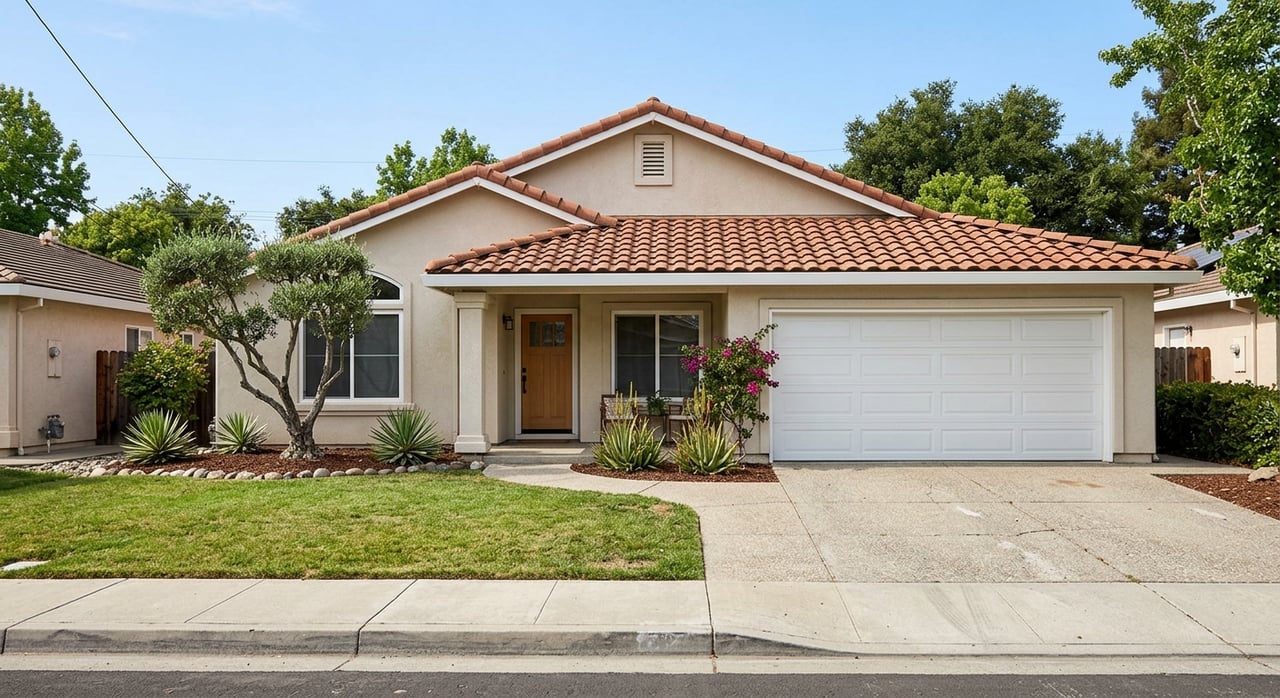
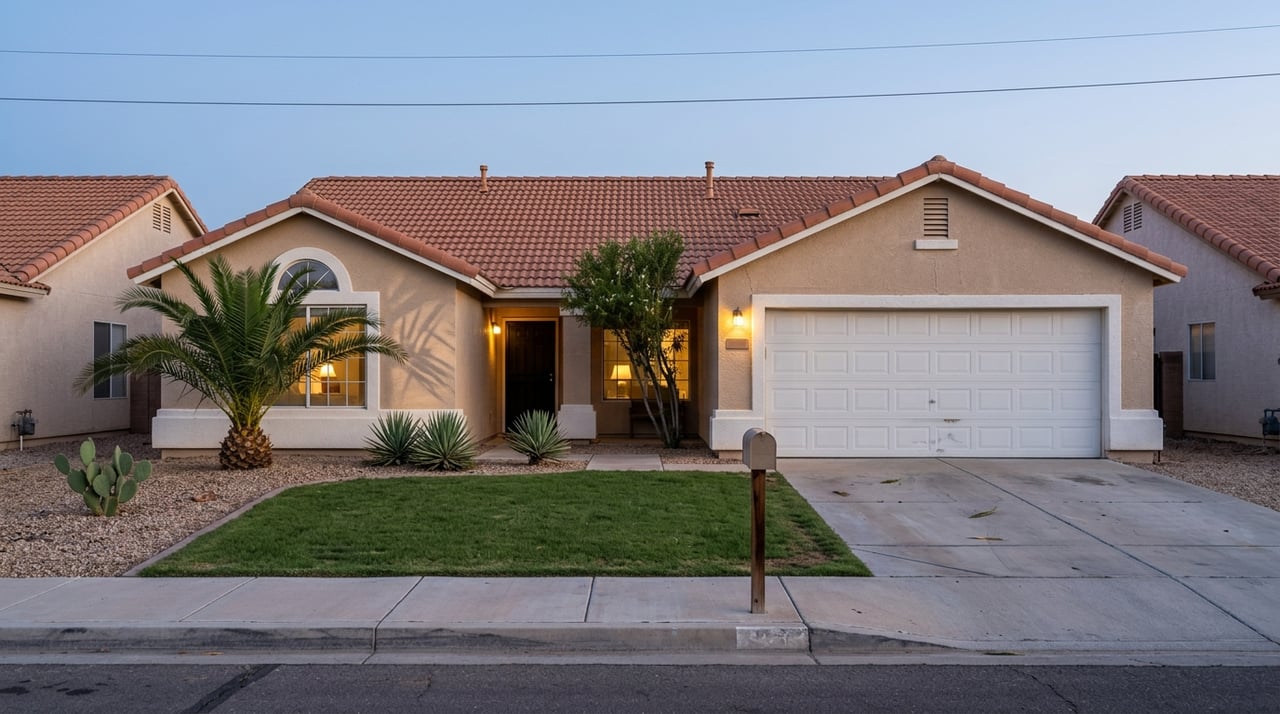
Most family buyers look at single‑family detached homes, with townhomes and condos in some pockets. Newer subdivisions, especially in Orangecrest, often feature larger floor plans and planned open space. Established neighborhoods can offer mid‑century ranch homes, mature landscaping, and character architecture.
For carrying costs, plan for property taxes at roughly 1 percent of assessed value plus local assessments. Many Riverside owners see an effective rate in the 1.1 to 1.3 percent range depending on districts and bonds. Add homeowner insurance, utilities, and any HOA dues. If you are considering foothill or brush‑adjacent areas, ask your insurance agent about wildfire coverage and any mitigation requirements.
Resale value is influenced by school assignment, commute convenience, and nearby amenities. Homes with functional layouts, usable yards, and proximity to parks tend to attract steady demand.
Safety, hazards, and due diligence
Crime patterns vary block by block. Review official police department crime maps and speak with locals to understand a specific area. Visit at different times of day to see traffic and activity near schools and parks.
For natural hazards, evaluate wildfire exposure in foothill and rural areas and confirm defensible‑space rules. In low‑lying corridors near rivers and drainage channels, check floodplain maps and local flood control resources. On hot or poor air quality days, some families adjust outdoor plans, so keep that in mind if daily outdoor time is a priority.
What to verify before you buy
- Confirm school attendance boundaries for the property address and review recent school performance indicators.
- Simulate your commute during peak hours, including school drop‑off and after‑school stops.
- Pull HOA documents, dues, rules, and amenity details where applicable.
- Estimate property taxes, review any special assessments, and budget for insurance and utilities.
- Check hazard and environmental maps for wildfire and flood risk, then factor in mitigation or insurance.
- Review permit history, roof age, HVAC performance, and any topographical or drainage issues.
- Walk the neighborhood at morning, afternoon, and evening to assess traffic, parking, and noise patterns.
How our team can help
Choosing the right Riverside neighborhood comes down to your family’s priorities. Maybe you want a larger yard and newer floor plan, or a walkable street close to cultural activities. Our team pairs local knowledge with steady communication so you can compare tradeoffs clearly and move forward with confidence. We also handle complex situations like relocation or estate sales with a calm, organized process.
If you are ready to explore homes or want a neighborhood brief tailored to your commute and school needs, connect with Colleen Horgan. Schedule a free market consultation with our team.
FAQs
What are the best Riverside neighborhoods for schools?
- School quality varies by grade level and boundary lines, so verify the current attendance map for any address and review state performance data, then visit schools to compare fit.
How long is the commute from Riverside to LA or Orange County?
- Commute times vary widely by route and time of day, often ranging from about 45 minutes to well over 90 minutes; test your exact route during peak hours.
Are there parks and playgrounds within walking distance in Riverside?
- Many areas have neighborhood parks and community centers, though walkability varies by neighborhood; downtown and some master‑planned communities are generally more walkable.
How do Riverside home prices compare to coastal cities?
- Riverside is typically more affordable than many coastal LA and OC suburbs, but prices change with the market; use live data and local tours when you are ready to shop.
What wildfire or flood risks should I check in Riverside?
- Foothill and brush‑adjacent areas can face higher wildfire risk, and low‑lying corridors near rivers may have flood considerations; review official hazard maps and plan mitigation accordingly.