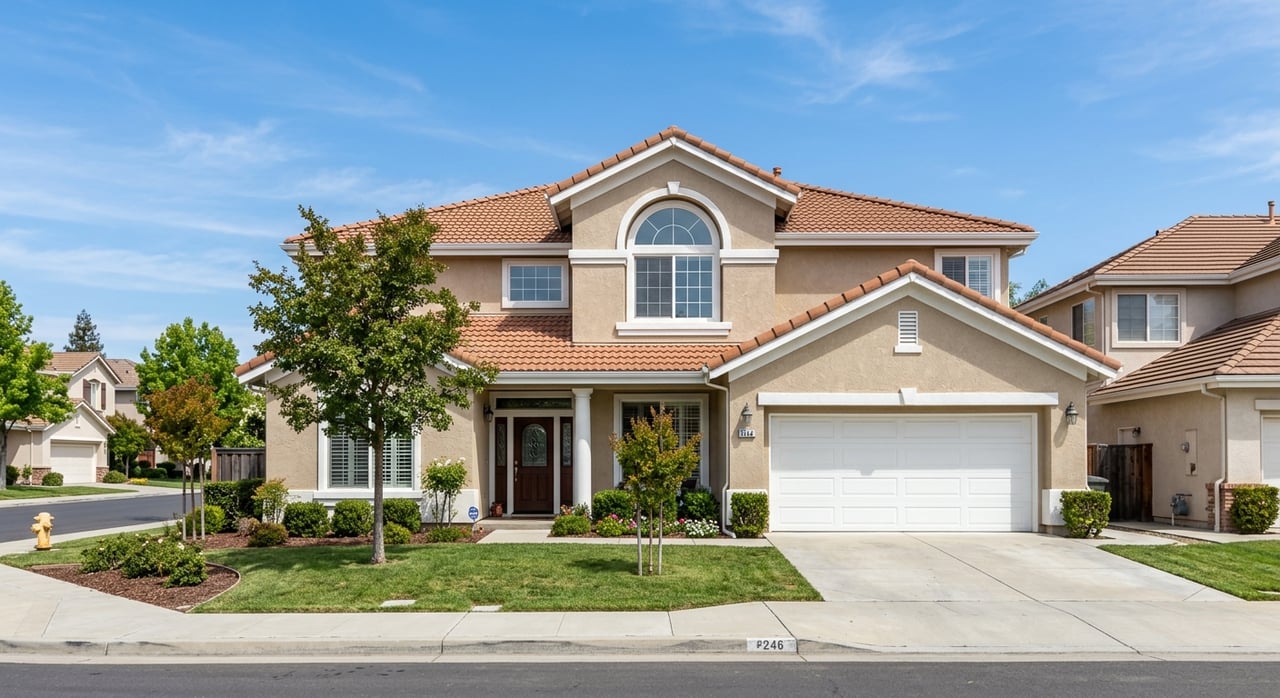
Trying to decide whether Corona is the right fit, or if another Inland Empire city may suit your lifestyle better? That choice can feel tricky, especially when commute patterns, housing style, and day-to-day convenience all matter in different ways. If you are comparing Corona with Riverside, Moreno Valley, and Ontario, this guide will help you sort through the practical differences so you can focus on what fits your routine, priorities, and plans. Let’s dive in.
Corona at a Glance
Corona is a city of more than 160,000 residents spread across 39.2 square miles. It sits at the junction of the 91 and 15 freeways and presents itself as a parks-focused city with a strong everyday convenience profile, including a city-run airport.
For many buyers, Corona stands out because it feels well-positioned between the Inland Empire and Orange County. If your life is tied to both regions, that location can be a major factor when you compare it with nearby cities.
How Corona Compares on Commute
Commute is often one of the biggest quality-of-life factors when you choose where to live. The SCAG local profiles offer a useful city-to-city snapshot for comparing broad patterns.
Corona had a mean commute of 36.7 minutes in the SCAG profile. It also showed that 57.9% of commuters spent more than 30 minutes getting to work, with 77.6% driving alone.
What makes Corona especially notable is where people go for work. Its top commute destinations include Riverside, Los Angeles, Anaheim, Irvine, Santa Ana, Ontario, Orange, and San Diego County, which points to stronger westward job ties than many nearby Inland Empire cities.
Riverside Commute Pattern
Riverside had a shorter mean commute at 30.4 minutes. In that same profile, 42.5% of commuters spent more than 30 minutes traveling to work, and 74.7% drove alone.
Its top destinations include Corona, Ontario, Moreno Valley, Anaheim, San Bernardino, and Los Angeles. Riverside also highlights Metrolink, Riverside Transit Agency service, and active transportation planning, which adds to its more established regional mobility profile.
Moreno Valley Commute Pattern
Moreno Valley posted a mean commute of 34.3 minutes. Its profile showed 53.4% of commuters spending more than 30 minutes on the road, with 77.2% driving alone.
Its top destinations lean more heavily toward Inland Empire locations such as Riverside, Moreno Valley, San Bernardino, Perris, Ontario, Corona, Jurupa Valley, and Redlands, along with Los Angeles and San Diego County. If your routine is centered farther inland, that pattern may feel more aligned.
Ontario Commute Pattern
Ontario had a mean commute of 30.9 minutes. In the SCAG profile, 44.4% of commuters spent more than 30 minutes traveling to work, and 78.5% drove alone.
Ontario’s top destinations include Ontario itself, Los Angeles, Rancho Cucamonga, Chino, Pomona, Upland, Riverside, Fontana, Corona, and Anaheim. The city also emphasizes its international airport, freeway access, rail connections, public transit, and trail network as part of a broader mobility system.
Housing Feel and Daily Character
When you compare cities, it helps to look beyond price and think about the overall feel of the housing stock and land use. The official materials and SCAG data show some real differences in how these cities function day to day.
Corona had a 64.9% owner-occupancy rate in the SCAG snapshot, which was the highest among the four cities in this comparison. Its average household size was 3.5, above the county average shown in the report.
Those figures suggest a more owner-occupied suburban profile. If you are looking for a city that often reads as residential and community-oriented in its daily rhythm, Corona may check that box.
Riverside Housing Mix
Riverside offers the broadest mix of housing types in the official city materials. The city describes everything from brand new housing tracts to historic neighborhoods, with Downtown retaining an 1870 grid pattern and a walkable historic character.
Riverside’s owner-occupancy rate was 54.2% in the SCAG profile. That lower figure, combined with its broader range of housing forms and more active civic core, supports a more mixed urban-suburban feel.
Moreno Valley Housing Feel
Moreno Valley had a 60.5% owner-occupancy rate in the SCAG snapshot. Its city history highlights rapid growth after incorporation in 1984, which helps explain its more modern suburban pattern.
If you are looking for inland suburban space and a setting shaped by later growth, Moreno Valley may appeal to you. Its history and commute patterns point to a more car-dependent environment, especially compared with Riverside.
Ontario Housing Feel
Ontario had a 53.5% owner-occupancy rate in the SCAG profile. The city’s planning and vision materials emphasize distinct districts, planned development, and a layout that is not defined only by the standard suburban pattern.
That gives Ontario a somewhat different identity from a typical bedroom community. If you want a city shaped by jobs, infrastructure, and connected growth, Ontario may feel more intentional in that regard.
Parks, Recreation, and Weekend Options
Where you live is not just about the workweek. Parks, trails, civic spaces, and recreation options can shape how a city feels after hours and on weekends.
Corona reports more than 394 acres of parks. Its amenities include sports fields, playgrounds, tennis courts, two skateparks, and an outdoor pool.
The city’s Trails Master Plan is designed to connect local destinations, regional trail networks, and the Cleveland National Forest. Corona also ties convenience to its Corona Cruiser system, which connects places like City Hall, the public library, the Fender Museum, the senior center, shopping centers, hospitals, North Main Metrolink, and park-and-ride lots.
Riverside Recreation Profile
Riverside has the largest park footprint in this group, with almost 3,000 acres of public parkland. The city lists 49 developed parks and 9 natural open parks or undeveloped future park sites.
Riverside also stands out for civic and cultural concentration. Downtown includes City Hall, the Main Library, museums, Riverside City College, the convention center, courts, Mission Inn Museum, Riverside Art Museum, and UCR, while the city also highlights destinations such as Mount Rubidoux and California Citrus State Historic Park.
Moreno Valley Recreation Profile
Moreno Valley’s park system includes 36 parks, trails, and facilities. Amenities listed by the city include a golf course, sports fields, a senior center, skate parks, an equestrian center, and community centers.
The city also notes nearby access to Lake Perris State Park and Box Springs Mountain Park. If outdoor recreation matters to you, that nearby access can be part of the appeal.
Ontario Recreation Profile
Ontario lists a broad local park network that includes Ontario Town Square, neighborhood parks, dog parks, the West Cucamonga Creek Trail System, and Whispering Lakes Golf Course. Its planning vision also ties transportation networks to parks and open-space destinations.
That can make Ontario feel especially practical for buyers who value connected daily infrastructure. It is a useful contrast if you are deciding between a more traditional suburban setup and a more mobility-centered one.
Which City May Fit You Best?
Each of these cities offers something different, so the best choice depends on how you live. A city that works well for one buyer may not be the strongest fit for another.
Corona may be the best match if you want a suburban Inland Empire base with meaningful Orange County work connections. It also stands out if parks, residential feel, and practical access to both inland and coastal job centers matter to you.
Riverside may be a stronger fit if you want the widest range of neighborhood styles and a more established civic and cultural core. It can appeal to buyers who want a mix of historic character, newer housing, and broader city infrastructure.
Moreno Valley may suit you if you want inland suburban space, a strong park system, and access to outdoor recreation. It can make sense if you are comfortable with a more car-dependent pattern and your work or routine is centered farther inland.
Ontario may be worth a closer look if you prioritize planned growth, airport access, and a city built around multimodal transportation connections. It can be a strong option for buyers who want mobility, jobs access, and a different kind of regional connectivity.
How to Compare These Cities Clearly
Before you narrow your search, it helps to rank your priorities. Small differences in commute direction, housing feel, or weekend amenities can have a big impact once you are living there every day.
Consider questions like these:
- Do you need easier access to Orange County job centers?
- Do you want a more suburban residential feel?
- Would you prefer a broader mix of housing styles?
- How important are parks, trails, and civic amenities?
- Do you want airport and rail access to play a bigger role in your routine?
If you answer those questions honestly, the best fit often becomes much clearer. Once that happens, your home search can become more focused and less stressful.
Choosing between Corona and nearby Inland Empire cities is really about matching the city to your life, not chasing a one-size-fits-all answer. If you want help comparing neighborhoods, commute tradeoffs, or the types of homes available in each market, Colleen Horgan can help you make a confident move.
FAQs
What makes Corona different from Riverside for homebuyers?
- Corona stands out for its suburban setting, higher owner-occupancy in the SCAG snapshot, and stronger commute ties to Orange County job centers, while Riverside offers a broader range of neighborhood types and a larger civic and cultural core.
Is Corona a good choice for commuters working in Orange County?
- Corona appears especially well-positioned for buyers with Orange County work ties because SCAG lists Anaheim, Irvine, Santa Ana, and Orange among its top commute destinations.
How does Moreno Valley compare with Corona for daily lifestyle?
- Moreno Valley may appeal more if you want inland suburban space and nearby outdoor access, while Corona may appeal more if you want a suburban base with stronger westward regional connections.
What stands out about Ontario compared with Corona?
- Ontario emphasizes planned growth, airport access, rail and freeway connectivity, and a multimodal transportation network, while Corona is more defined by its suburban residential profile and Orange County spillover commute pattern.
Which city has the most parks among Corona, Riverside, Moreno Valley, and Ontario?
- Riverside has the largest park footprint in this group based on the city materials, with almost 3,000 acres of public parkland, compared with Corona’s reported 394-plus acres and Moreno Valley’s 36 parks, trails, and facilities.