If you are planning to sell in Riverside, you are not stepping into one simple market. You are stepping into a city of very different price points, buyer expectations, and timelines. The good news is that with the right prep, pricing, and launch strategy, you can put your home in a strong position from day one. Let’s dive in.
Riverside selling starts with local reality
Riverside’s April 2026 housing snapshot shows 954 homes for sale, a median listing price of $698,000, a median sold price of $650,000, a sale-to-list ratio of 100%, and a median 42 days on market. That tells you buyers are active, but it does not mean every home will sell quickly or at any price. It means strategy matters.
One of the biggest mistakes sellers make is treating Riverside like one uniform market. Neighborhood pricing varies widely, from roughly $619,900 in North Riverside and $620,000 in Central Riverside to about $750,000 in Orangecrest and $918,000 in Lake Hills-Victoria Grove. If you want to price well, your home needs to be compared to the smallest sensible local comp set, not a broad city average.
Why pricing matters more right now
Riverside County affordability remains tight. In the first quarter of 2026, affordability in the county was 29%, with a median existing single-family home price of $639,990 and a minimum qualifying income of $155,600.
That matters because many buyers are still highly payment-sensitive. With a 30-year fixed rate reported at 6.48% in early June 2026, your list price, possible buyer credits, and repair negotiations all affect how affordable your home feels to the people shopping in your price range.
In practical terms, sellers can still have leverage, but trying to push the market too far can backfire. A realistic price paired with strong presentation often creates more momentum than an ambitious price followed by cuts.
Prepare before you list
A successful sale often starts weeks before your home goes live. Buyers usually begin online and spend time comparing homes before they ever book a showing, so your first impression needs to be strong.
National buyer and seller data shows buyers typically search for 10 weeks, view seven homes, and often say the hardest part is finding the right property. Most also use mobile devices during the process, and many find the home they buy online. That makes your pre-listing preparation a core part of your selling strategy, not an extra.
Focus on condition first
Before listing, take care of deferred maintenance where possible. Small issues can make buyers worry about larger hidden problems, even when the home is otherwise a good fit.
Your goal is to make the property feel clean, bright, and move-in ready. In many cases, that means freshening up the home rather than doing a full remodel.
Prioritize the updates buyers notice
You do not need to over-improve to compete. Light, practical updates and a well-maintained appearance usually matter more than expensive changes that do not match neighborhood expectations.
Start with the basics:
- Deep clean the home
- Improve lighting where rooms feel dim
- Touch up paint where needed
- Address obvious deferred maintenance
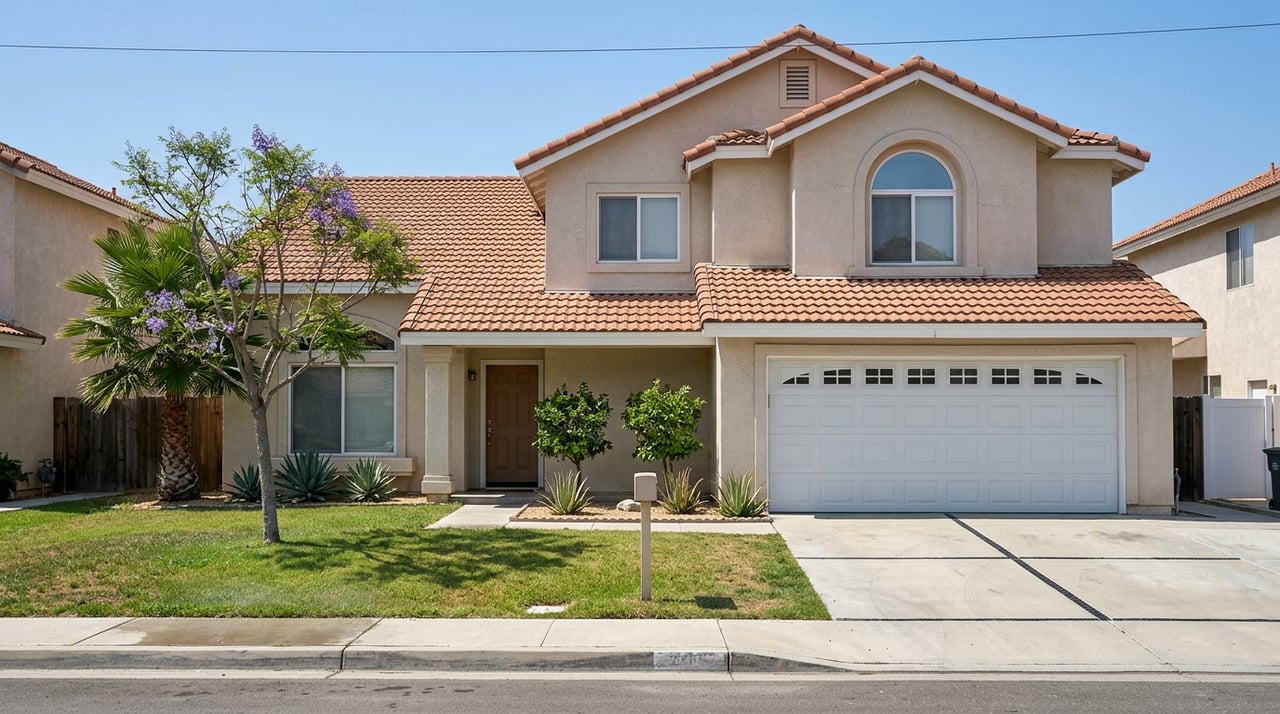
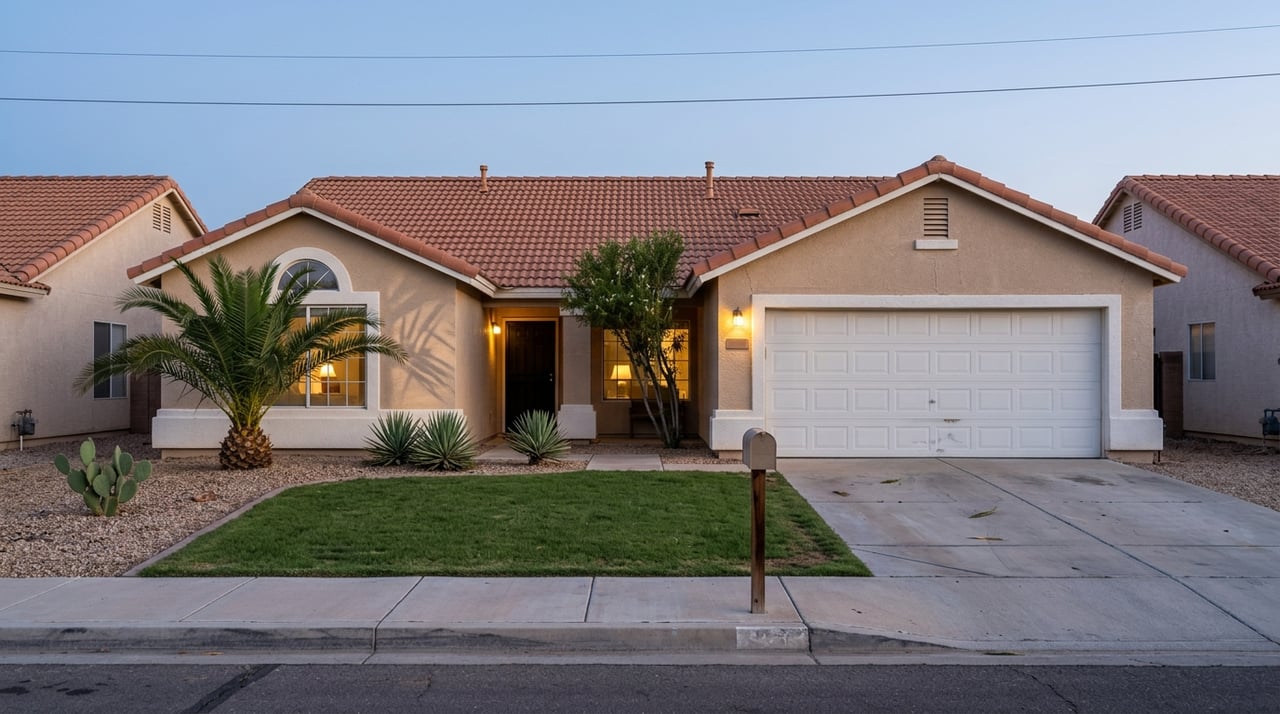
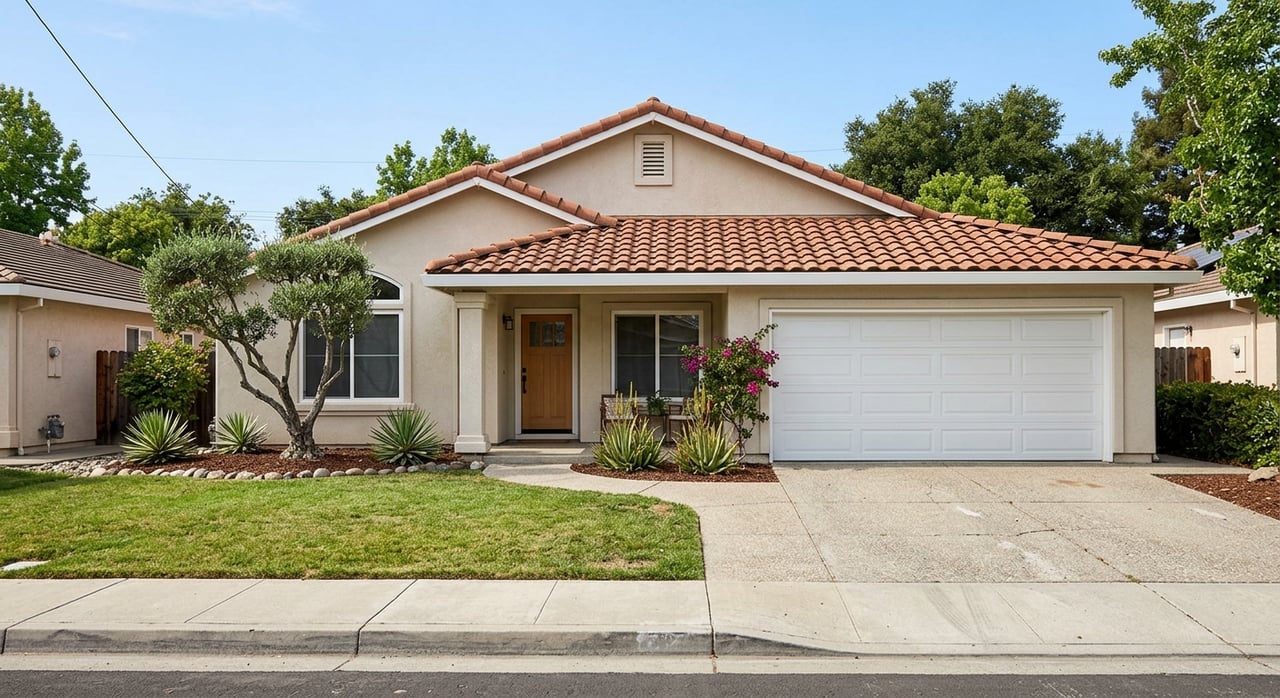
- Refresh curb appeal
- Remove clutter and excess furniture
Spring can be an especially strong launch window because natural light, weather, and curb appeal often work in your favor. Still, timing only helps if the home is actually ready when it hits the market.
Build a strong day-one launch
Most buyers start their search online, so your listing needs to feel complete the moment it goes live. If the presentation is weak or the details are thin, you may lose attention before buyers ever schedule a showing.
Buyers consistently rate certain online features as the most useful. These include photos, detailed property information, floor plans, virtual tours, and neighborhood information.
What your listing should include
For a Riverside home, a strong launch package should include:
- Professional-quality photos
- Accurate room counts and property details
- Clear descriptions of the home’s layout and features
- Floor plan or measurements if available
- Virtual tour or video when appropriate
- A concise, factual overview of the surrounding area
This matters because broad digital exposure is now standard. Seller data shows listings are commonly marketed across the MLS, yard signs, open houses, major real estate websites, agent websites, company websites, social platforms, virtual tours, and video.
Open houses and yard signs still have value, but they work best as supporting tools. Only a small share of buyers say they found the home they purchased through a yard sign or open-house sign, so your digital presentation needs to do the heavy lifting.
Price by micro-market, not city average
Because Riverside includes several distinct micro-markets, pricing should be hyper-local. A home in Orangecrest is not competing the same way as a home in North Riverside, Central Riverside, or Lake Hills-Victoria Grove.
That means your pricing strategy should reflect the neighborhood, home style, condition, lot characteristics, and current buyer expectations in that immediate area. If your home is priced off broad averages instead of true local comps, you risk either leaving money on the table or missing the most serious buyers.
A smart Riverside pricing approach
A practical pricing strategy usually includes:
- Reviewing recent comparable sales in your immediate area
- Studying active and pending competition nearby
- Adjusting for condition, upgrades, lot size, and layout
- Considering current buyer payment sensitivity
- Planning for likely repair or credit discussions
In a market with a 100% sale-to-list ratio overall, details still matter. The homes that sell cleanly are often the ones that enter the market at a price buyers can support.
Understand timing without chasing a perfect week
You may have heard about the “best week” to sell. While national data pointed to a strong mid-April window in 2026, the more useful takeaway for Riverside sellers is broader than one exact week.
Spring tends to be a strong launch season when the home is priced well and ready to show. Historically, that period can bring more listing views, stronger buyer activity, and fewer days on market than an average week.
That said, timing alone does not fix weak presentation or unrealistic pricing. It is better to list when your home is fully prepared than to rush to market just to hit a calendar target.
Know the paperwork early
One of the best ways to reduce stress during the sale is to gather required disclosures early. In California, this is not something to leave until the last minute.
For many single-family residential sales, California Civil Code section 1102 applies. The Transfer Disclosure Statement, often called the TDS, describes the property’s condition and must be delivered as soon as practicable before transfer of title.
Key disclosures to prepare
Depending on the property, sellers should be ready to gather:
- Transfer Disclosure Statement
- Natural Hazard Disclosure Statement
- Lead-based paint disclosure materials for homes built before 1978
California guidance also states that a Natural Hazard Disclosure Statement is required when a property is in mapped hazard areas, including certain flood, dam-inundation, fire, wildland fire, or seismic hazard zones. A third-party consultant can prepare the report, but the delivery obligation still matters.
The TDS is important, but it is not a warranty and it does not replace inspections. Preparing these items early can help your sale move more smoothly once you are under contract.
What to expect on timeline
Every sale is different, but current city data shows a median 42 days on market in Riverside. That gives you a useful benchmark, though your exact timeline will depend on pricing, condition, location, and buyer demand in your specific neighborhood.
It also helps to remember that buyers typically spend weeks searching before they make a purchase. By the time a serious buyer sees your home, they are often comparing it closely to several others and making fast judgments about value, condition, and monthly cost.
Timeline steps sellers should plan for
A typical sale often includes:
- Pre-listing prep and pricing review
- Photography and listing setup
- Going live across major marketing channels
- Showings and possible open houses
- Offer review and negotiation
- Inspections, disclosures, and buyer contingencies
- Final closing steps
The smoother these steps are managed, the easier it is to protect your price and your timeline.
Strategy matters more than guesswork
Selling in Riverside is not just about putting a sign in the yard and hoping for the best. It takes local pricing judgment, strong marketing, clean execution, and clear communication from start to finish.
That is especially true if your sale involves added complexity like relocation, probate, an investment property, or a home that needs careful positioning in a very specific neighborhood segment. The right plan helps you launch with confidence instead of reacting under pressure later.
If you are thinking about selling in Riverside, the first step is getting clear on your home’s micro-market, likely buyer pool, and best launch plan. Schedule a free market consultation with Colleen Horgan to map out a smart, local strategy for your sale.
FAQs
How long does it usually take to sell a home in Riverside?
- Current Riverside market data shows a median 42 days on market, though your timeline can vary based on neighborhood, pricing, condition, and demand.
What do Riverside buyers care about most in an online listing?
- Buyers most often value photos, detailed property information, floor plans, virtual tours, and clear neighborhood information.
Should Riverside sellers price from city averages?
- No. Riverside has distinct micro-markets, so pricing should be based on nearby comparable homes in your immediate area rather than a broad citywide number.
What paperwork should Riverside sellers gather first?
- Sellers should usually start with the Transfer Disclosure Statement, Natural Hazard Disclosure Statement, and lead-based paint disclosure materials if the home was built before 1978.
Is spring the best time to list a home in Riverside?
- Spring is often a strong season because of better natural light, weather, and curb appeal, but the best timing is when your home is fully prepared and priced correctly.
Do open houses and yard signs still matter for Riverside home sales?
- Yes, but they are supporting tools. Today, broad online exposure and a complete digital listing are usually more important for reaching buyers early in their search.